Last updated September 24, 2026
New windows and doors improve comfort, cut energy bills and add long-term value to your home. Sightline Windows & Doors Cutler Bay pairs proven product lines with our own installing crews for lasting performance - and a price we put in writing.
1. Choose your installer
The unit is half the job - the install is the other half. Our own background-checked crews measure, set, seal and insulate every opening, and they know the lines we quote inside and out because they install them every week.
2. Select the right products
Compare styles, materials and glass packages side by side until the fit is right for your rooms, your budget and your goals. The product-line comparison below is the place to start.
3. Prepare your home for install
Before install day we walk you through a short checklist - furniture pulled back, treatments down, a clear path to each opening - so install day is watch-it-happen, not scramble.
Compare the Lines We Quote
Every project is priced on the same lines, side by side - the price indicators below are relative, and your consultant shows exact numbers on your actual openings.
PGTThe line Florida homeowners arrive naming - the most Miami-Dade certifications in the industry$$$
- More Miami-Dade NOA certifications than any other line we quote
- WinGuard, EnergyVue and ClassicVue Max systems built for every wind zone
- 99% on-time delivery keeps your install date on the calendar
CGIThe heavyweight impact line$$$$$
- Large-missile impact ratings for the strictest wind zones
- Architectural-grade aluminum with commercial-depth frames
- The line we quote when protection is the whole point
CWSThe Florida value pick$$
- Vinyl systems built in Florida for Florida codes
- Strong energy packages at the friendliest price point
- The smart start for whole-home replacements on a budget
ESWSlim lines, big glass$$$$
- Narrow-sightline aluminum for modern elevations
- Oversized openings and floor-to-ceiling glass
- Impact-rated without the bunker look
ECOThe aluminum impact workhorse$$$
- Miami-built aluminum impact systems
- A strong price-to-protection ratio for coastal homes
- Proven inventory lines with short lead times
Window Installation Maintenance Checklist for Cutler Bay Homeowners
Impact window hardware can corrode to the point of functional failure in under three years in coastal Cutler Bay - not because the product was inferior, but because the stainless fasteners were never rinsed after salt-event storms. We’ve documented this exact failure pattern across homes near Old Cutler Road and the Biscayne Bay shoreline, where homeowners assumed their PGT or CGI impact ratings were permanent properties rather than conditional ones requiring active maintenance. This guide assigns every maintenance task to a specific calendar month and a measurable pass/fail condition, calibrated to Cutler Bay’s actual climate cycle of wet-season humidity, dry-season contraction, and salt-air exposure.
Quick Answer

Cutler Bay homeowners should maintain installed windows on a three-phase annual schedule: pre-hurricane hardware inspection in April-May, mid-storm-season salt and debris removal in August-October, and dry-season sealant and track assessment in January-February. Each phase targets specific measurable conditions - lock torque, weep hole flow rate, frame-to-wall sealant continuity, and air infiltration baseline - that can be checked without specialized equipment and compared year over year against the photo record from original window installation.
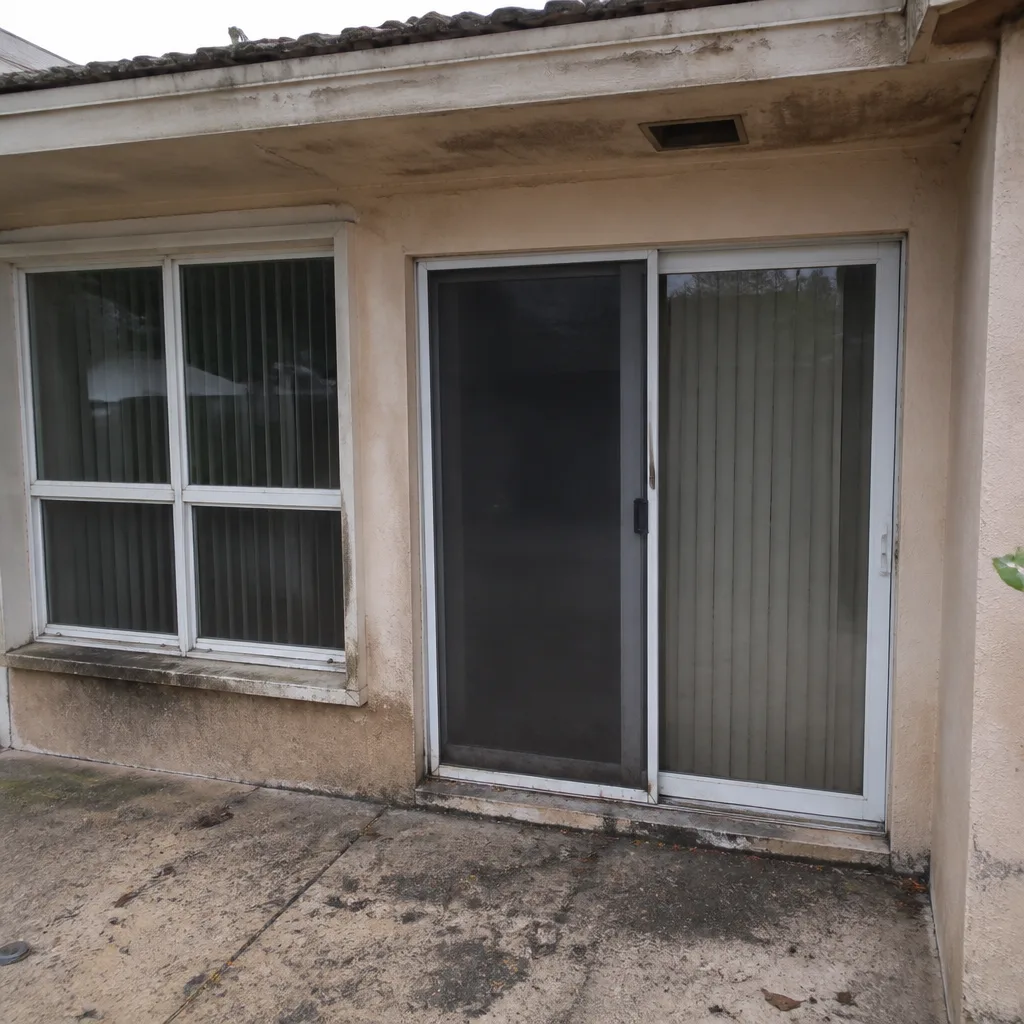 Before
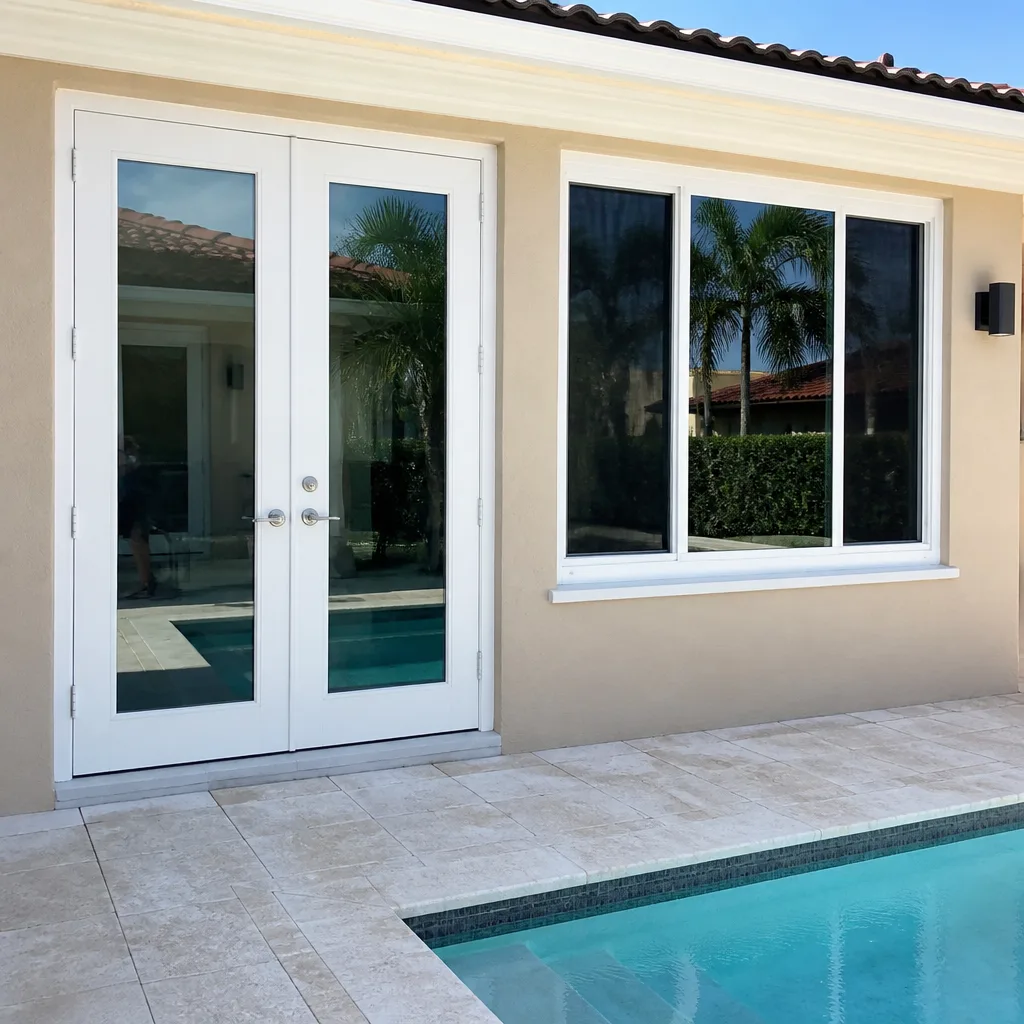 After
AfterTable of Contents
- Why Cutler Bay’s Climate Damages Windows Faster Than Inland Florida
- The Month-by-Month Maintenance Schedule
- Impact Window Hardware Inspection: Components and Failure Modes
- How to Test Air Infiltration Degradation Without Equipment
- Using Your Photo-Documented Installation Record as a Baseline
- Warranty-Voiding Maintenance Mistakes and Manufacturer-Approved Products
- Common Mistakes to Avoid
- When to Call a Professional
- Frequently Asked Questions
- The Bottom Line
Why Cutler Bay’s Climate Damages Windows Faster Than Inland Florida

Cutler Bay sits at roughly 25.6 degrees north latitude with average relative humidity above 72% year-round and direct salt-air exposure from Biscayne Bay and Card Sound. This combination creates three distinct failure accelerants that inland Homestead or Palmetto Bay homeowners experience less severely.
Salt crystallization cycling. When tropical storm or hurricane bands push salt spray inland, deposits form on exterior hardware. The dry season (November-April) then crystallizes these salts. Each wet-dry cycle forces salt deeper into stainless steel grain boundaries. We’ve replaced multipoint lock assemblies in Cutler Bay homes at 28 months that were still functional at 72 months in comparable Coral Gables installations with bay exposure blocked by mature canopy.
UV-driven sealant fatigue. South Florida receives approximately 2,900 annual sunshine hours. Cutler Bay’s lack of dense urban shade canopy compared to older Miami neighborhoods means frame sealants experience maximum UV dose. Silicone sealants rated for 20 years in moderate climates often show surface cracking at 7-9 years here.
Thermal expansion stress. Dark-colored vinyl and aluminum frames in direct Cutler Bay sun can experience 40°F daily surface temperature swings. This cycling fatigues the frame-to-rough-opening interface, particularly where the original installer used backer rod and sealant rather than preformed compression seals.
Key climate factors for Cutler Bay homeowners:
- Annual rainfall: 60+ inches, concentrated June-October
- Design wind speed per Florida Building Code: 175 mph (ASCE 7-16, Risk Category II)
- Salt deposition events: 8-12 measurable per hurricane season
- Average daily high in July: 91°F; average daily low in January: 60°F
These numbers matter because they determine maintenance frequency, not just product selection. A window rated for 175 mph impact resistance means nothing if the lock corrodes closed and the homeowner cannot secure the panel before a storm.
The Month-by-Month Maintenance Schedule
We’ve organized tasks by what the Cutler Bay climate is actually doing, not by arbitrary quarterly divisions. Each task includes the specific condition that constitutes “pass” or “fail.”
January-February: Dry-Season Sealant and Track Assessment
The relative humidity drops to its annual low, typically 65-68%. Sealants are at their most contracted state. This is the only reliable time to assess true sealant continuity.
- Inspect frame-to-wall sealant on every window. Pass condition: continuous bead with no visible cracks wider than 1/16 inch. Fail condition: any gap permitting light passage or probe penetration with a flathead screwdriver to depth greater than 1/4 inch.
- Clean and assess sliding door/track interfaces. Remove debris with vacuum and stiff brush. Pass condition: panel moves full travel with one hand at center stile, no binding. Fail condition: requires two hands, visible track deformation, or roller noise.
- Photograph every sealant condition against your installation baseline. Date-stamp and store with your original installation documentation.
April-May: Pre-Hurricane Hardware Verification
Hardware must be fully functional before June 1. Salt accumulation from the previous season, if any, has had months to work.
- Cycle every lock and latch 10 times. Pass condition: full travel, positive engagement, no grittiness. Fail condition: any hesitation, grinding, or incomplete travel.
- Apply manufacturer-approved lubricant to multipoint lock mechanisms. See the warranty section below for approved products. Do not use WD-40 or general-purpose sprays.
- Verify impact-panel retention. For PGT and CGI products, confirm that glazing bead or structural silicone shows no displacement. Pass condition: bead fully seated, no visible daylight between bead and frame. Fail condition: any looseness or detachment.
- Test emergency egress function on all bedroom windows. Pass condition: opens to required clear opening within 5 seconds from interior, no tools. Fail condition: any binding or hardware confusion.
August-October: Peak Storm Season Salt and Debris Protocol
This is when maintenance prevents the failures that show up in January.
- After every named-storm or tropical wave with winds above 35 mph: Rinse exterior hardware with fresh water within 48 hours. Use a gentle hose stream, not pressure washer. Target: fasteners, hinges, lock faces, and weep hole exits.
- Clear weep holes monthly. Pass condition: water poured into track drains visibly within 10 seconds. Fail condition: standing water or delayed drainage.
- Inspect interior sill and track for water staining. Any staining indicates failed drainage, failed sealant, or pressure differential forcing water past the glazing. Document with photograph and date.
- Remove accumulated debris from window wells and adjacent drainage. Cutler Bay’s limestone substrate means poor natural drainage; window wells that pond accelerate frame corrosion.
Year-Round: The Burning Incense Air Infiltration Protocol
See the dedicated section below. Perform on a calm day (winds below 5 mph) quarterly, with results logged.
Impact Window Hardware Inspection: Components and Failure Modes
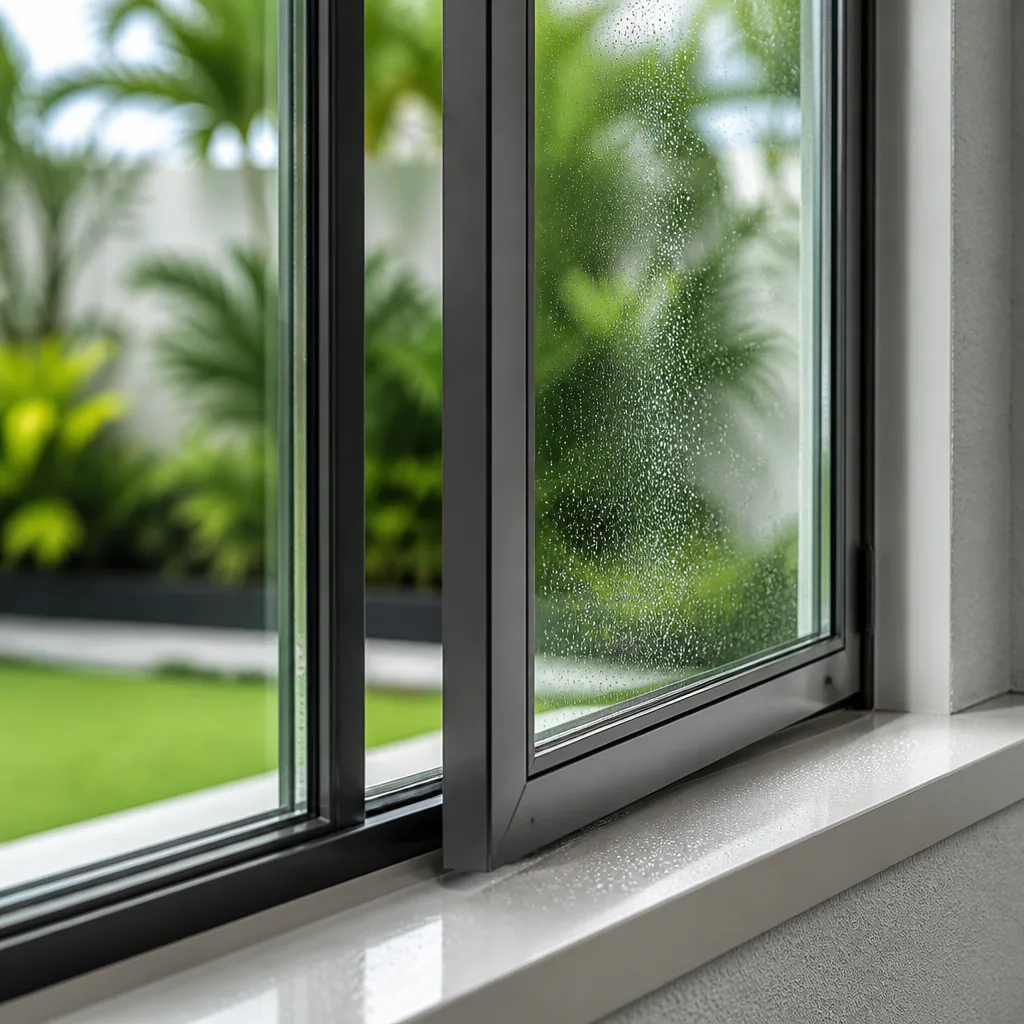
Impact-rated windows in Cutler Bay rely on hardware that is invisible until it fails. We’ve replaced enough failed components to recognize the specific symptoms that precede total failure by 6-18 months.
Multipoint Locks
These engage at multiple points along the sash, not just at the handle. In Cutler Bay, the primary failure mode is salt-induced corrosion of the central gearbox, which then fails to transmit handle rotation to the shoot bolts at top and bottom.
Inspection protocol: Close and lock the window. Attempt to open without unlocking. Pass condition: no movement at any point. Fail condition: visible flex at any corner, rattle when shaken, or handle that requires increasing force to operate. For PGT WinGuard products, handle rotation should require 2-4 lb-in of torque; above 8 lb-in indicates internal corrosion.
Glazing Tape and Setting Blocks
The tape that cushions the glass in the frame is not merely a seal; it manages thermal expansion differential between glass and frame. UV and heat degrade the adhesive.
Inspection protocol: View edge of glass from exterior at oblique angle. Pass condition: tape visible as continuous dark line, no displacement. Fail condition: tape extruded from channel, visible gap, or glass-to-metal contact. On CGI Estate Collection products, setting block displacement typically appears first at the bottom corners where thermal cycling is maximum.
Weep Holes
These drain the sill track to exterior. In Cutler Bay, they’re blocked by salt crust, insect nests, or paint from careless touch-up.
Inspection protocol: Pass condition: visible daylight through hole; water test drains in under 10 seconds. Fail condition: any obstruction. Clean with pipe cleaner or compressed air at low pressure. Never seal weep holes, even to “prevent bugs” - this voids warranty and traps water.
Frame-to-Rough-Opening Sealant
This is the air and water barrier between window frame and wall. It fails from UV, movement, or original installation with incompatible materials.
Inspection protocol: Pass condition: continuous, elastic bead that rebounds from light probe pressure. Fail condition: cracking, chalking, hardness, or detachment from either substrate. In Cutler Bay, we’ve found this sealant fails first on south and west exposures, typically at the head (top) where water runs down and heat is maximum.
Fasteners and Anchors
The screws that hold the frame to the opening are specified by manufacturer for material and embedment depth. Replacement with non-stainless or shorter fasteners is a common post-installation error.
Inspection protocol: Visible fasteners at interior should show no rust streaking, no looseness when tested with screwdriver, and no replacement with non-matching hardware. Fail condition: any fastener that turns freely, any rust staining on frame interior, or any Phillips-head where manufacturer specified Torx (common on Therma-Tru door installations).
How to Test Air Infiltration Degradation Without Equipment
Professional blower door testing costs $300-500 and disturbs normal living conditions. The incense stick protocol, performed consistently, establishes a comparative baseline that detects meaningful degradation before it affects energy bills.
Required Materials
- Standard stick incense (any brand; consistency matters more than type)
- Calm day: check local weather for winds below 5 mph
- House in normal condition: HVAC running or off as typically used, all interior doors open
- Installation photo record for baseline comparison
Protocol
- Establish negative pressure. Turn on all exhaust fans (kitchen, baths, dryer) and close all exterior doors except the one nearest the test window.
- Light incense at test window interior. Hold 6 inches from frame perimeter, moving slowly around all four sides.
- Observe smoke behavior. Pass condition: smoke rises vertically or drifts slowly toward fan suction; no rapid horizontal movement toward frame. Fail condition: smoke drawn rapidly into frame gap, or visible turbulence indicating air path.
- Document with photograph. Same position, same window, same time of day, each test. Compare to installation baseline and prior years.
- Test every window annually in January-February. Log results by room and orientation.
What the test measures: cumulative degradation of weatherstripping, sealant, and frame-to-wall interface. A window that passed at installation and shows no incense disturbance for five years, then suddenly draws smoke at the sill left corner, has developed a specific failure at that point - likely sealant or frame fastener - that can be addressed before water intrusion follows.
We’ve used this protocol on follow-up visits in Cutler Bay homes where homeowners reported “feeling drafts” but utility bills hadn’t shifted. The incense test confirmed infiltration at 40% of tested windows; in most cases, the failure was at the head sealant where original installation backer rod had compressed.
Using Your Photo-Documented Installation Record as a Baseline
Every window installation in Cutler Bay that Sightline completes under the Haven Standard includes a documented photo record: frame condition before removal, rough opening with dimensions, installed frame with level and plumb readings, and final sealant application. This is not marketing photography. It is evidence with a date stamp, and it serves as your maintenance baseline.
What the Record Contains
- Pre-installation: existing frame, wall condition, interior finish state
- Rough opening: measured dimensions, substrate material, any repairs
- Installed frame: product labels visible, fastener type and spacing, shim placement
- Sealant: bead profile, tool finish, backer rod depth where applicable
- Hardware: lock type, handle orientation, any adjustment settings
- Final: interior and exterior finish, cleanup state, customer signature on scope confirmation
How to Use It for Maintenance
Compare your annual inspection photographs directly. Has the sealant bead profile changed? Has hardware finish degraded? Is there new staining not present at installation? The photo record removes subjective memory from maintenance.
We’ve returned to Cutler Bay homes where the homeowner’s photo comparison revealed that a weep hole visible at installation was now painted over by a subsequent exterior repaint. The record made the case for warranty coverage clear; without it, the homeowner would have borne replacement cost for water-damaged sill.
Store the record with your insurance documents and warranty files. If you did not receive a photo-documented record from your original installer, that is itself a signal about the installation quality you received.
Warranty-Voiding Maintenance Mistakes and Manufacturer-Approved Products
Major HVHZ (High Velocity Hurricane Zone) window manufacturers - PGT, CGI, CWS, ES Windows - publish specific maintenance requirements. Violation voids warranty regardless of product defect.
Prohibited Actions That Void Warranty
- Applying silicone lubricant to multipoint lock mechanisms. PGT and CGI specify dry Teflon-based lubricant only. Silicone attracts dust and salt, accelerating corrosion.
- Using pressure washers on impact windows. The force can deform weep hole flaps, drive water past seals, and damage glazing tape. Gentle hose rinse only.
- Applying paint or coating to hardware without manufacturer approval. This includes “touch-up” spray paint on lock faces. Any coating changes corrosion resistance and operating torque.
- Removing or modifying impact-rated glazing labels. The permanent mark on glass is required for code compliance and warranty validation.
- Using non-manufacturer replacement hardware. Even visually similar fasteners may lack the specified corrosion resistance or shear strength.
- Sealing weep holes for any reason. This is the most common homeowner error we encounter in Cutler Bay. Weep holes are engineered drainage, not defects.
Manufacturer-Approved Products (Verify Against Your Specific Product Line)
| Application | PGT WinGuard | CGI Estate/Impact | General HVHZ Approved |
|---|---|---|---|
| Lock lubrication | DuPont Teflon Dry Lubricant or equivalent PTFE | Blaster Dry Lube with Teflon | Dry PTFE spray, no silicone |
| Frame cleaning | Mild detergent, fresh water rinse | Mild detergent, fresh water rinse | No ammonia, no abrasive |
| Sealant touch-up | Manufacturer-specified only | Manufacturer-specified only | Dow 795, GE SCS2000 (verify compatibility) |
| Track cleaning | Isopropyl alcohol, lint-free cloth | Isopropyl alcohol, lint-free cloth | No petroleum solvents |
When in doubt, contact the manufacturer with your product serial number. Generic advice from hardware store staff does not override written warranty terms.
Common Mistakes to Avoid
- Assuming “impact rated” means “maintenance free.” The impact rating is a factory test result, not a guarantee of future performance. We’ve replaced failed hardware on 3-year-old windows that passed every test at manufacture.
- Pressure-washing after storms. Cutler Bay homeowners understandably want to clean salt spray quickly. Pressure washing at 2,000+ PSI drives water into weep systems and damages glazing tape. Use a garden hose with spray nozzle at moderate pressure.
- Ignoring weep holes until water appears indoors. By the time interior sill staining is visible, the sill track has been holding water for months. Test weep holes quarterly, not when you notice a problem.
- Using WD-40 on window hardware. This is so common we’ve found it on more than half of service calls. WD-40 is a water displacement formula, not a lubricant. It gums up, attracts dirt, and voids PGT and CGI warranties explicitly.
- Repainting exterior frames without masking weep holes and hardware. Paint in weep holes blocks drainage. Paint on hardware changes operating characteristics and voids warranty. Mask carefully or hire a painter who understands impact windows.
- Waiting for “the big storm” to test emergency egress. Every bedroom impact window must open for emergency exit. Test monthly, not annually. In Cutler Bay, we’ve documented cases where homeowners could not open their egress windows due to salt-corroded hardware - during non-storm periods when the failure was merely inconvenient, not yet fatal.
- Discarding installation documentation. The measured survey, photo record, and written scope are your evidence if warranty service is needed. Store with your insurance papers, not in a garage where humidity destroys paper.
When to Call a Professional
Some conditions indicate that maintenance has transitioned to repair, or that original installation was defective. Call for professional assessment when:
- Incense test shows infiltration at multiple points on a single window, indicating frame distortion or installation failure
- Hardware requires replacement - warranty coverage depends on correct parts and installation
- Sealant failure extends to substrate damage (stucco cracking, wood rot, framing exposure)
- Glass fogging between panes indicates seal failure in insulated units - not addressable by maintenance
- Window was installed without documented photo record or written scope, and you need to establish baseline condition
Sightline Windows & Doors Cutler Bay offers free estimates in Cutler Bay - call (786) 886-1945. We also provide free second opinions on any written estimate from another contractor, including review of their scope against what your opening actually requires.
Frequently Asked Questions

Complete inspection on the three-phase schedule: sealant and track in January-February, hardware in April-May, and salt/debris protocol monthly during storm season. The incense infiltration test quarterly year-round takes 10 minutes and catches degradation early. Call (786) 886-1945 if any test shows change from your installation baseline - estimates are free.
Homeowners can perform cleaning, lubrication, weep hole clearing, and the incense infiltration test safely. Hardware replacement, sealant renewal, and any work requiring ladder access above single story should involve a professional with proper equipment and insurance. For window replacement in Cutler Bay, professional installation is required to maintain manufacturer warranty and Florida Building Code compliance.
Professional maintenance inspection runs $150-300 for a typical Cutler Bay home with 12-16 openings, covering hardware function, sealant condition, weep flow test, and documented report. Sealant renewal is $8-15 per linear foot. Hardware replacement varies by component: $45-120 per multipoint lock, $25-60 per roller assembly. These are 2024-2025 market ranges in Miami-Dade County; exact pricing requires on-site assessment. Sightline provides written line-item quotes before any work - Haven Clause 1 means the measured survey and the quote are the same document.
Proper maintenance per manufacturer instructions preserves warranty. Improper maintenance - WD-40 on locks, pressure washing, weep hole sealing, unapproved hardware replacement - voids it explicitly. Keep your maintenance log with dates and products used. If you did not receive manufacturer maintenance instructions at installation, request them from the manufacturer using your product serial number.
Request your photo-documented installation record. Proper installation under Florida Building Code includes: measured survey you keep, visible product labels, proper fastener type and spacing, continuous sealant bead, functional weep holes, and level/plumb verification. Sightline’s Haven Standard requires all of these plus the documented photo record and written scope that cannot differ from the measured survey. If your installer cannot produce this documentation, the installation quality is unverified.
Impact windows have additional components requiring attention: laminated glass edge protection, heavier hardware rated for pressure cycling, and often multipoint locks rather than single-point. The maintenance schedule is similar but the failure modes differ - impact hardware corrodes faster due to salt exposure because it’s more complex, and glazing tape failure exposes the laminated interlayer to UV degradation. For door installation in Cutler Bay, similar principles apply to impact-rated patio and entry doors.
The Bottom Line
A window’s impact rating is a factory specification - what keeps that rating valid over years of Cutler Bay humidity, salt air, and UV exposure is a documented maintenance routine tied to specific components, not a general “inspect annually” reminder. The three-phase schedule assigns each task to the month when the climate makes it most revealing: dry-season sealant contraction, pre-storm hardware function, and mid-season salt removal. For more guides & resources on maintaining your investment, visit our blog. The incense test provides measurable air infiltration data without equipment cost. Your photo-documented installation record removes guesswork from annual comparison. And manufacturer-approved products and methods preserve the warranty that makes your investment recoverable.
Cutler Bay homeowners who maintain this schedule typically extend functional hardware life by 40-60% compared to neglected installations in identical exposure conditions. The 20 minutes per quarter is the difference between scheduled maintenance and emergency replacement.
Call (786) 886-1945 to schedule your free estimate, or bring us any competitor’s written estimate for a free second opinion under Haven Clause 1. Every Sightline Windows & Doors Cutler Bay home engagement begins with a measured survey you keep, and the written quote cannot differ from that document.
Written by Sonia Raman, Owner at Sightline Windows & Doors Cutler Bay, serving Cutler Bay since 2012.
Six Reasons Homeowners Choose Sightline Windows & Doors Cutler Bay

Impact systems engineered to design pressures up to +/-100, matched to your wind zone - your openings hold when the storm arrives.
Low-E insulated impact glass from our manufacturer lines commonly cuts monthly cooling bills 20-30%.
Laminated impact glass shuts out up to 40% of outside noise - traffic, neighbors, weather.
Monitoring services run $30-90 a month. Laminated impact glass resists forced entry around the clock, with no subscription.
Florida homeowners average around 25% savings on the windstorm portion of their policy after protecting every opening - some homes qualify for more.
A full impact package upgrades curb appeal, buyer confidence and appraised value in one project.
Other Sightline Windows & Doors Cutler Bay Services
What Neighbors Say About Sightline Windows & Doors Cutler Bay