Last updated September 24, 2026
New windows and doors improve comfort, cut energy bills and add long-term value to your home. Sightline Windows & Doors Cutler Bay pairs proven product lines with our own installing crews for lasting performance - and a price we put in writing.
1. Choose your installer
The unit is half the job - the install is the other half. Our own background-checked crews measure, set, seal and insulate every opening, and they know the lines we quote inside and out because they install them every week.
2. Select the right products
Compare styles, materials and glass packages side by side until the fit is right for your rooms, your budget and your goals. The product-line comparison below is the place to start.
3. Prepare your home for install
Before install day we walk you through a short checklist - furniture pulled back, treatments down, a clear path to each opening - so install day is watch-it-happen, not scramble.
Compare the Lines We Quote
Every project is priced on the same lines, side by side - the price indicators below are relative, and your consultant shows exact numbers on your actual openings.
PGTThe line Florida homeowners arrive naming - the most Miami-Dade certifications in the industry$$$
- More Miami-Dade NOA certifications than any other line we quote
- WinGuard, EnergyVue and ClassicVue Max systems built for every wind zone
- 99% on-time delivery keeps your install date on the calendar
CGIThe heavyweight impact line$$$$$
- Large-missile impact ratings for the strictest wind zones
- Architectural-grade aluminum with commercial-depth frames
- The line we quote when protection is the whole point
CWSThe Florida value pick$$
- Vinyl systems built in Florida for Florida codes
- Strong energy packages at the friendliest price point
- The smart start for whole-home replacements on a budget
ESWSlim lines, big glass$$$$
- Narrow-sightline aluminum for modern elevations
- Oversized openings and floor-to-ceiling glass
- Impact-rated without the bunker look
ECOThe aluminum impact workhorse$$$
- Miami-built aluminum impact systems
- A strong price-to-protection ratio for coastal homes
- Proven inventory lines with short lead times
Seasonal Windows & Doors Care for Cutler Bay: Year-Round Homeowner’s Guide
The weep holes on a Cutler Bay impact window that drain correctly in January can be fully blocked by organic debris by July. That condition is invisible from your living room. It turns the frame cavity into a water reservoir during the first named storm, and by then the warranty claim is complicated by maintenance records you cannot produce. In this guide, you’ll learn how Cutler Bay’s three actual seasons - wet, dry, and hurricane - degrade windows and doors in distinct, measurable ways, and the documented care calendar that protects both your openings and your product warranties. For more guides & resources on protecting South Florida homes, explore our blog.
Quick Answer

Seasonal window and door care in Cutler Bay follows three phases: pre-hurricane protocol in April (weep hole clearance, hardware torque checks, seal testing), storm-event inspection within 48 hours of any tropical system, and dry-season maintenance from December through March (salt deposit removal, weatherstripping assessment, and documentation updates). Each phase requires specific tools, manufacturer-approved methods, and dated records to preserve warranty coverage after weather events. Following a Window Installation Maintenance Checklist for Cutler Bay Homeowners ensures nothing is missed.
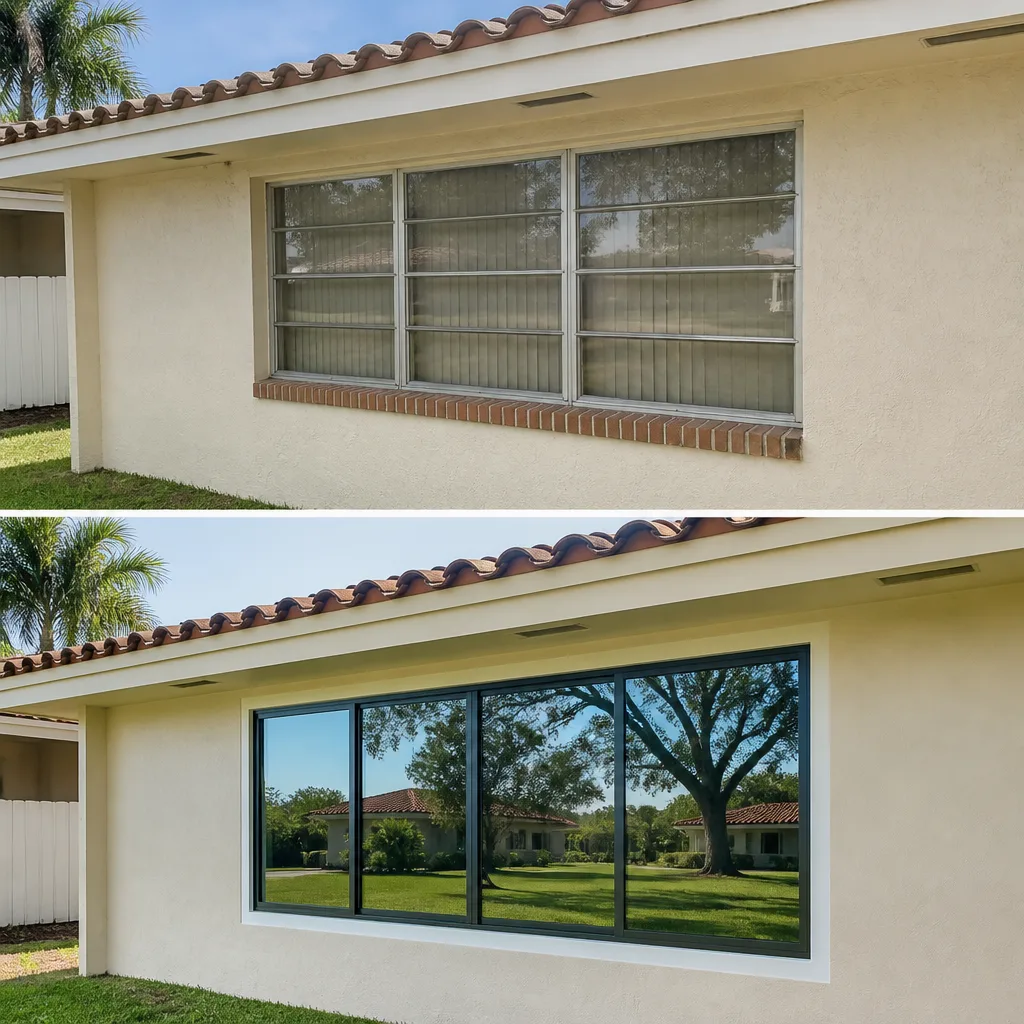
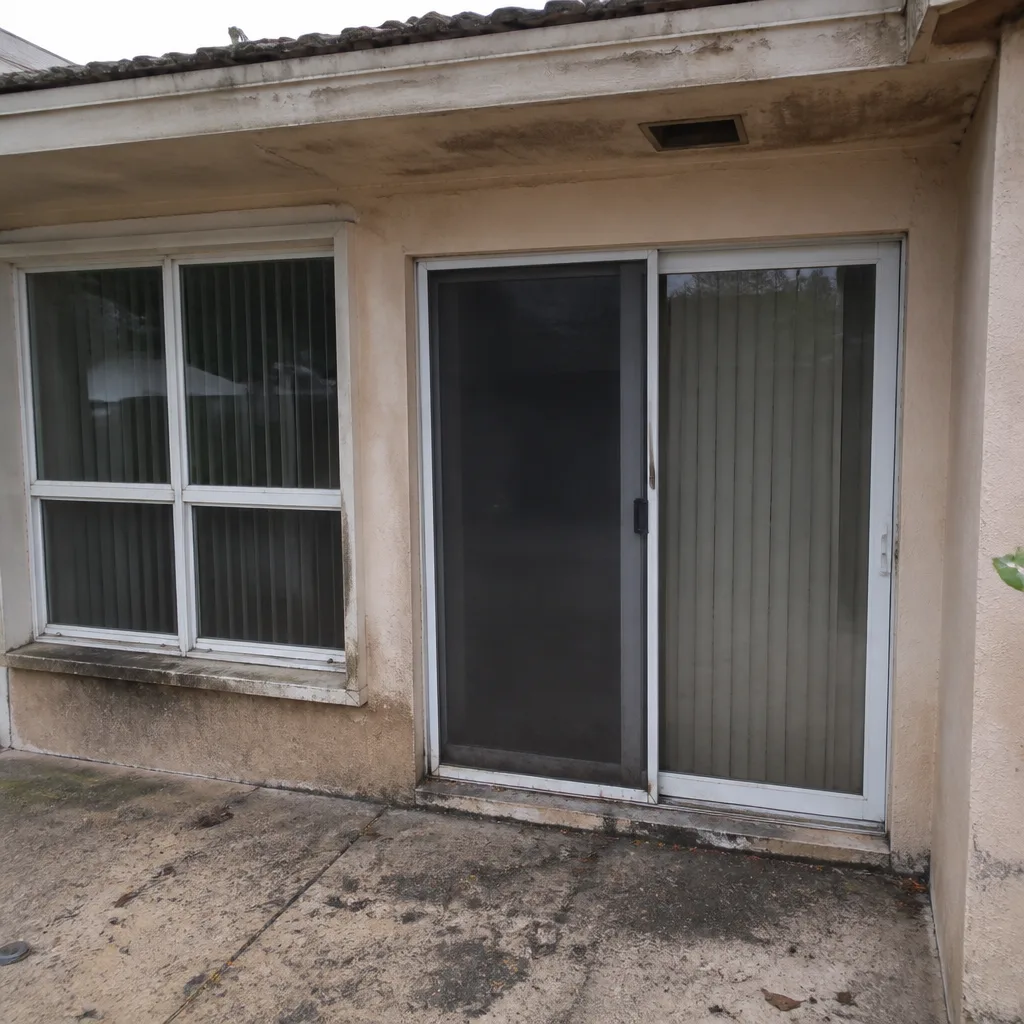 Before
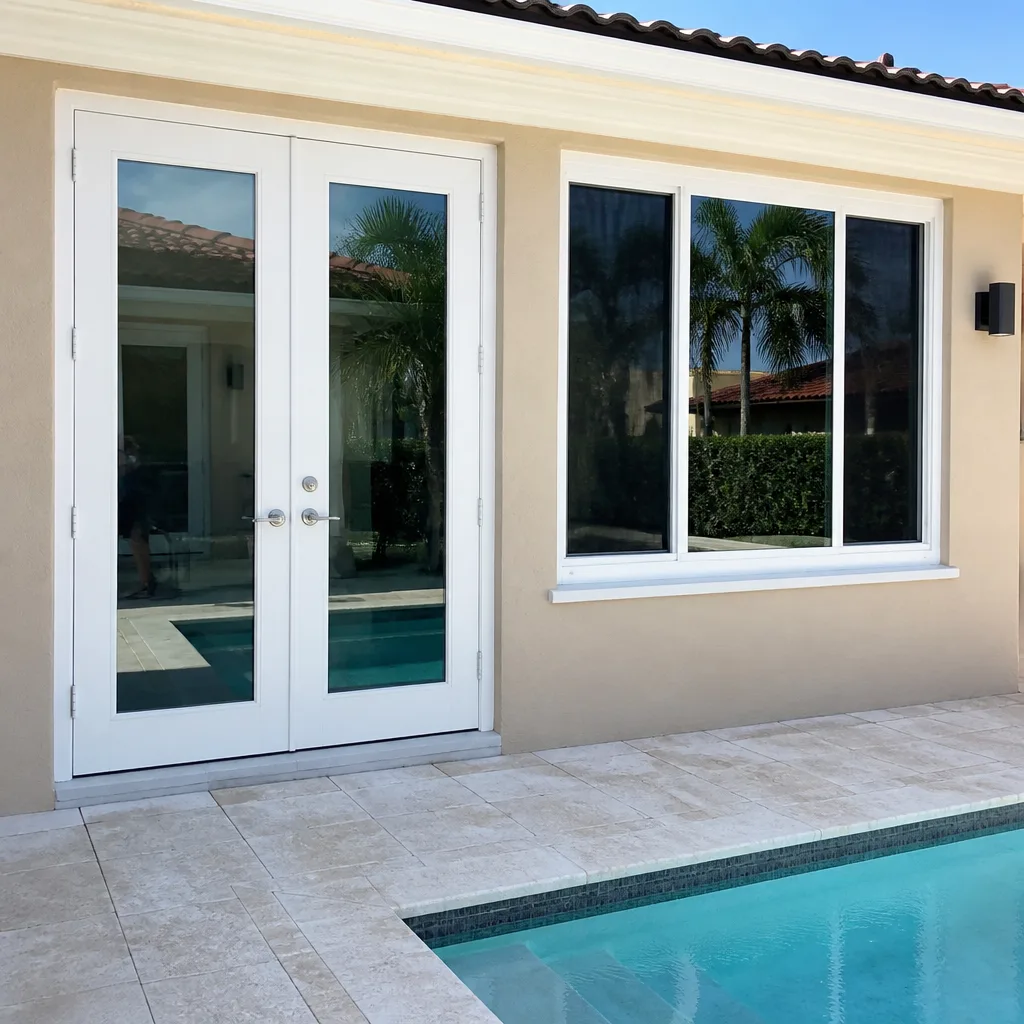 After
AfterTable of Contents
- Cutler Bay’s Three Seasons and What They Do to Your Openings
- Pre-Season Protocol: April Preparation Checklist
- Storm-Event Protocol: The 48-Hour Inspection
- Dry-Season Protocol: December Through March Maintenance
- UV, Weatherstripping, and Real Replacement Timelines
- Warranty Documentation: What to Record and When
- Tools, Materials, and Manufacturer-Approved Methods
- Common Mistakes to Avoid
- When to Call a Professional
- Frequently Asked Questions
- The Bottom Line
Cutler Bay’s Three Seasons and What They Do to Your Openings
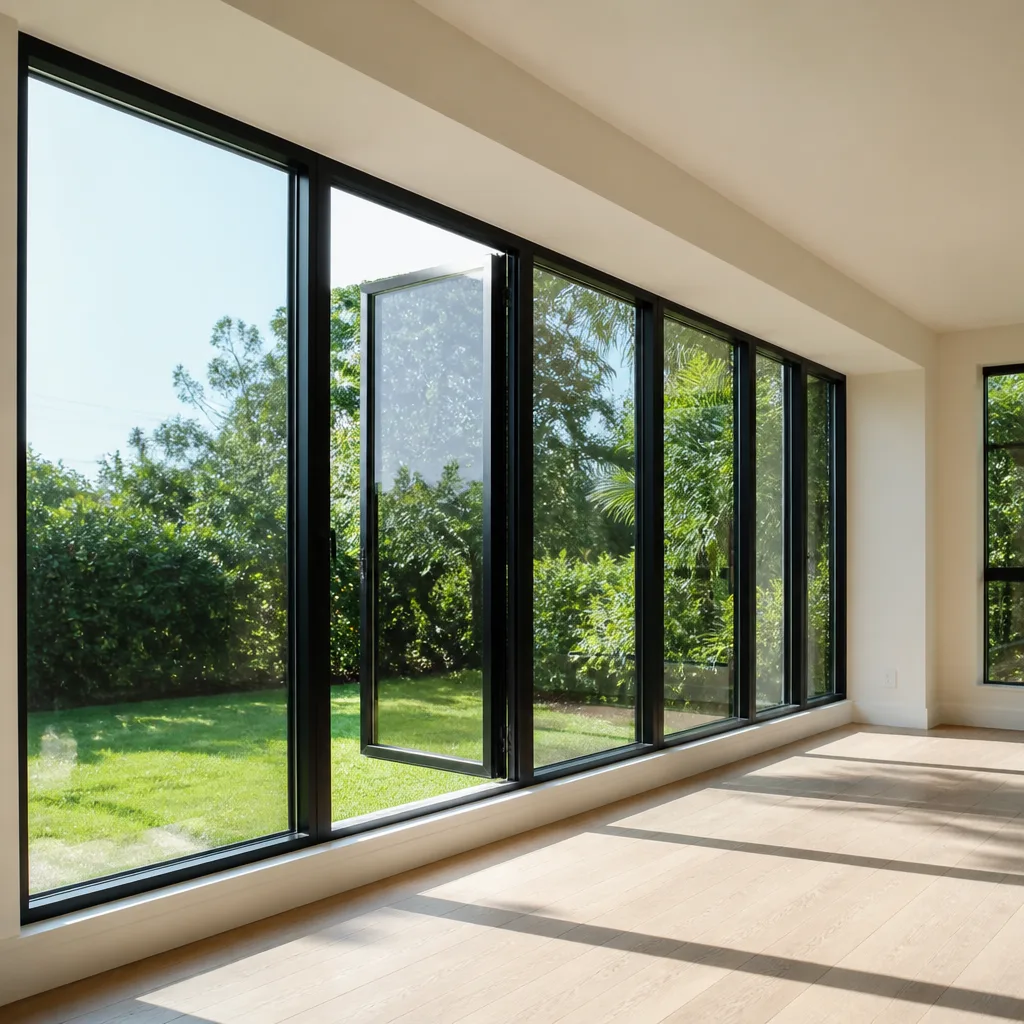
Cutler Bay sits at 25.5 degrees north latitude with average annual UV index readings that exceed 9 for six months of the year. That radiation intensity, combined with salt-laden air from Biscayne Bay and the seasonal shift between soaking humidity and desiccating dryness, creates a degradation pattern unlike what window and door systems face in northern climates.
We do not have four seasons here. We have:
- Wet season (May through October): Daily convection storms, 70% average humidity, and organic debris accumulation that blocks drainage systems
- Hurricane season (June through November, overlapping wet season): Sustained wind loading, pressure cycling, and projectile impact that test every seal and fastening
- Dry season (December through April): Low humidity, high UV, and salt crystallization on exposed metal surfaces
Each phase attacks different components. Wet season failures show up as water intrusion at sill corners and hardware corrosion. Hurricane season exposes installation defects - frame-to-wall sealant separation, improper fastener patterns, glazing tape displacement - that remained hidden through normal conditions. Dry season damage is slower and more insidious: UV embrittlement of weatherstripping, salt pitting of anodized aluminum finishes, and lubricant evaporation from hinges and locking mechanisms.
In our experience across Cutler Bay neighborhoods from Saga Bay to Lakes by the Bay, the openings that fail during named storms are rarely the ones with obvious pre-existing damage. They are the ones with undetected maintenance deficits - a weep system rendered non-functional by six months of leaf litter and gecko droppings, or a threshold seal compressed past recovery by repeated thermal cycling. The failure mode is not dramatic. It is cumulative, invisible, and fully preventable.
Pre-Season Protocol: April Preparation Checklist
April is the critical maintenance window in Cutler Bay. The dry season has ended, the first tropical waves are forming off Cape Verde, and your openings have accumulated six months of salt residue, UV damage, and organic debris. This is when documented preparation prevents August emergency repairs.
We recommend completing this protocol by April 30 each year. The tasks are specific, the tools are standard, and the documentation requirements are non-negotiable if you intend to preserve manufacturer warranty coverage.
Task 1: Weep Hole Clearance
Impact-rated windows and sliding doors in Cutler Bay installations - including CWS and ES Windows products we commonly specify - rely on weep holes at the sill to drain water that penetrates the outer seal. These openings are 3/16-inch diameter typically, positioned on the exterior face of the frame, and protected by baffles or covers that themselves trap debris.
- Remove weep hole covers using a flat plastic pry tool (never metal, which scars anodized finishes)
- Clear visible debris with a soft brush - we use a dedicated 1/2-inch nylon parts brush, not a toothbrush, which forces material deeper
- Verify drainage path with a measured water test: 8 ounces of water poured into the track should exit the weep within 30 seconds
- Photograph each cleared weep with date stamp - this image is your warranty evidence
- Reinstall covers with gentle pressure; cracked covers must be replaced, not taped
Blocked weeps are the single most common cause of frame cavity rot in Cutler Bay’s coastal environment. The water has nowhere to go. It sits against the sill fastener penetrations and migrates inward through capillary action. By September, you have staining. By the following spring, you have frame separation.
Task 2: Glazing Tape Inspection
Glazing tape - the pre-formed butyl gasket that cushions the glass against the frame - hardens and loses compression set under UV exposure. In Cutler Bay’s latitude, tape rated for 10-year service life in northern applications typically achieves 6 to 7 years before measurable degradation.
Inspect visible glazing tape at frame corners and any location where the glass edge meets the sash. Look for:
- Surface cracking or alligatoring
- Adhesive bleed (sticky residue on glass or frame)
- Visible gap between tape and glass edge
- Tape that has pulled away from the frame rebate
Do not attempt to repair glazing tape. Replacement requires glass removal and re-glazing with proper setting blocks and edge clearance. Document condition with photographs and contact your installer if degradation is present. This is particularly critical for laminated impact units - tape failure permits moisture intrusion into the laminate interlayer, causing permanent haze that is not covered under glass warranty if maintenance records show neglect.
Task 3: Hardware Torque Check
Locking mechanisms, hinges, and rollers on operable windows and sliding doors in Cutler Bay experience accelerated wear from salt corrosion and thermal expansion cycling. Fasteners loosen predictably.
Using a torque-limiting screwdriver set to manufacturer specification (typically 15-20 in-lb for residential hardware), verify all visible fasteners. Do not over-torque - stripped screws in aluminum frames require helicoil repair or frame replacement. Lubricate locking cams and roller bearings with a dry PTFE lubricant; avoid petroleum-based products that attract dust and harden in salt air.
Task 4: Threshold Seal Test
Close and lock the door or window. Insert a sheet of standard 20-lb paper at multiple points across the threshold or sash meeting rail. Pull with moderate resistance. The paper should drag significantly; if it slides freely, the seal has lost compression and requires replacement.
Record all findings on a dated checklist. Store with your product warranties. This document is your evidence of reasonable maintenance if a claim becomes necessary.
Storm-Event Protocol: The 48-Hour Inspection
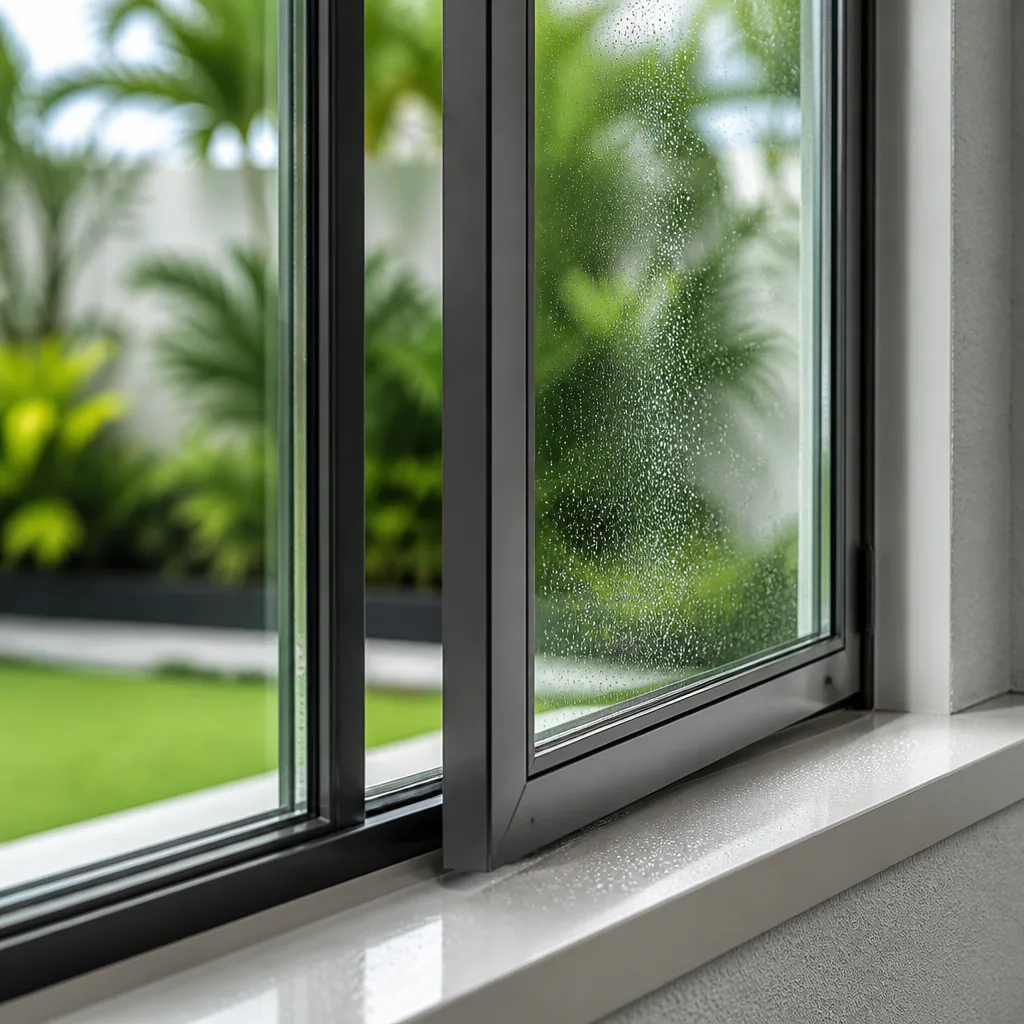
Any tropical system that passes within 100 miles of Cutler Bay subjects your openings to sustained wind loading, pressure differential cycling, and potential projectile impact. The inspection window is 48 hours post-event - long enough for conditions to stabilize, short enough to document damage before secondary water intrusion obscures the primary failure mode.
This protocol applies whether you evacuated or sheltered in place. Storm conditions reveal installation defects that normal weather conceals. The documentation you create in these 48 hours often determines whether a manufacturer or installer warranty applies.
Exterior Inspection Sequence
- Frame-to-wall sealant: Examine the perimeter sealant bead between window/door frame and wall surface. Look for separation, tearing, or displacement. In Cutler Bay installations, we see this most commonly at the head (top) of the frame, where negative pressure during wind gusts pulls the sealant away from the substrate. Photograph any gap wider than 1/16 inch.
- Impact film or laminate integrity: For laminated glass units (including Mr-Glass and ECO Window Systems products), inspect for delamination - the separation of glass plies from the interlayer, visible as cloudy or iridescent edges. Tap the glass surface lightly; delaminated areas produce a dull sound versus the sharp ring of bonded laminate. Delamination from impact is a covered defect; delamination from edge moisture exposure due to neglected maintenance is not.
- Frame deformation: Sight along the frame edges from corner to corner. Any bowing or twist indicates structural overload. Measure with a straightedge; deflection exceeding 1/8 inch over 36 inches requires professional evaluation.
- Hardware function: Operate each locking point. Salt spray driven at velocity penetrates mechanisms that normal humidity does not reach. Stiff or gritty operation indicates corrosion initiation.
- Interior water evidence: Check sill corners, head jambs, and drywall returns for staining or moisture. Even minor staining indicates a breach path that will enlarge under subsequent loading.
Photograph everything before cleaning or touching. The sequence matters: exterior first, interior second, hardware operation third. Any intervention alters the evidence condition.
If you discover damage, contact your installer within 72 hours. Delayed reporting complicates warranty determinations, particularly for storm-related claims where multiple properties are affected and inspection queues form rapidly. At Sightline Windows & Doors Cutler Bay home, we maintain 24/7 live phone coverage specifically for post-storm documentation requests - not because we perform emergency repairs in active weather, but because the 48-hour evidence window is unforgiving.
Dry-Season Protocol: December Through March Maintenance
Cutler Bay’s dry season is not a rest period for your openings. It is when the damage from wet season and hurricane season becomes visible, and when preventive maintenance prevents compound degradation.
The critical factor is salt. Biscayne Bay’s proximity means every onshore breeze deposits chloride ions on exposed surfaces. During wet season, rain rinses these deposits intermittently. During dry season, they accumulate, crystallize, and initiate galvanic corrosion at dissimilar metal contacts - stainless steel fasteners in aluminum frames, brass hinges on coated steel doors.
Salt Deposit Removal: Manufacturer-Approved Method
This is where most Cutler Bay homeowners cause damage. Household cleaners - ammonia-based glass cleaners, abrasive powders, citrus degreasers - degrade anodized aluminum finishes, dissolve protective coatings on hardware, and leave residues that accelerate subsequent corrosion.
The correct method, specified by PGT, CGI, and other manufacturers we install:
- Rinse frames and hardware with fresh water only - no pressure washer, which drives water past seals at 1,200+ PSI
- Use a soft cloth or natural sponge, not paper towels (wood fibers micro-scratch anodized surfaces)
- For persistent deposits, a 1% solution of mild dish detergent in warm water, applied and rinsed within 5 minutes
- Dry with a clean microfiber cloth to prevent water spotting
- Never apply automotive wax, silicone spray, or “protectant” products to frames - these trap moisture and void some manufacturer finish warranties
Perform this rinse monthly during dry season if your property is within one mile of Biscayne Bay. In Cutler Bay neighborhoods like Cutler Ridge and Old Cutler Bay, where salt air concentration is measurably higher than inland Miami-Dade locations, biweekly rinsing is not excessive.
Weatherstripping Assessment
Dry season is when compressed or UV-damaged weatherstripping becomes obvious. The material no longer rebounds when the sash is opened. Gaps are visible at meeting rails and frame perimeters.
Check compression set by the paper test described in the April protocol. Replace weatherstripping that fails - this is owner-serviceable on most residential windows and doors, using manufacturer-specific replacement profiles. Generic “universal” weatherstripping from hardware stores rarely matches the original compression characteristics and often increases operating force to the point of hardware damage.
Lubrication and Hardware Cycling
Operate every window and door fully through its range of motion monthly during dry season. Inactive mechanisms corrode faster than exercised ones. Apply dry PTFE lubricant to locking cams, hinges, and roller bearings after rinsing and drying. Wipe excess - pooled lubricant attracts dust that forms abrasive paste.
UV, Weatherstripping, and Real Replacement Timelines

South Florida’s UV intensity at Cutler Bay’s latitude is not a marketing abstraction. It is a measurable physical force that degrades organic materials at quantifiable rates. Homeowners who budget for realistic replacement timelines avoid the emergency replacements that occur when degraded components fail during storm season. Our Windows & Doors Cost Breakdown: The Cutler Bay Homeowner’s Reference for 2026 can help with planning.
Here are the service intervals we have documented across our 18,000+ installations since 2012, adjusted for Cutler Bay’s specific conditions:
| Component | Typical Service Life (Cutler Bay) | Failure Indicator | Consequence of Delay |
|---|---|---|---|
| Silicone weatherstripping (operable sash) | 5-7 years | Compression set, surface cracking | Air infiltration, water intrusion, increased cooling load |
| EPDM rubber gaskets (fixed lite perimeter) | 8-12 years | Shrinkage, gap formation at corners | Capillary water entry, frame cavity moisture |
| Glazing tape (glass-to-frame cushion) | 6-8 years | Hardness, adhesive bleed, visible gap | Glass stress cracking, laminate delamination |
| Anodized aluminum finish (exposed surfaces) | 15-20 years with proper maintenance | Chalking, pitting, color shift | Structural section loss in extreme cases |
| Stainless steel hardware (salt-exposed) | 10-15 years with lubrication | Binding, corrosion staining | Lock failure, security compromise |
| Weep hole covers and baffles | 5-8 years | Cracking, UV embrittlement | Debris intrusion, drainage blockage |
These intervals assume the maintenance protocols described in this guide. Neglect accelerates degradation by 30-50% in our field observations. A weatherstrip that might achieve 7 years with annual care fails at 4 years without it.
The financial implication: budgeting $200-400 annually for preventive component replacement avoids $2,000-5,000 emergency replacement costs when failed seals permit water damage to interior finishes during a storm event. This is not speculative. We have replaced openings in Cutler Bay where the component failure was preventable and the consequential damage was extensive.
Warranty Documentation: What to Record and When
Manufacturer warranties for windows and doors - including the product lines we specify from CWS, ES Windows, ECO Window Systems, and Mr-Glass - contain maintenance clauses that are enforceable. The language varies, but the requirement is consistent: the owner must demonstrate reasonable care to qualify for defect coverage after weather events. Before starting work, review Windows & Doors Permits, Codes & Inspections in FL: What You Need to Know to ensure compliance.
“Reasonable care” is not defined by the manufacturer until a claim is denied. At that point, you must produce evidence. The documentation system we recommend is simple, dated, and photographic.
Required Records
- Annual pre-season checklist: The April protocol completion record, with dated photographs of weep holes, hardware, and seals
- Post-storm inspection report: The 48-hour protocol documentation, with exterior and interior photographs, timestamped
- Dry-season maintenance log: Dates of salt removal, weatherstripping assessments, and any component replacements with part numbers
- Professional service records: Invoices or reports from any contractor work, with scope description and date
Storage and Accessibility
Store physical copies with your original product warranties in a waterproof container. Maintain digital backup in cloud storage with date-stamped filenames (format: YYYY-MM-DD_Location_Description). Email copies to yourself - the sent date creates an immutable timestamp if authenticity is questioned.
The 365-Day Done Right Promise under Sightline’s Haven Standard includes documentation support: every installation we complete leaves a documented photo record, and we provide the initial maintenance checklist template to every customer. But ongoing maintenance documentation is the owner’s responsibility, and it is what stands between a honored warranty and a denied claim.
We have reviewed competitor denials where the failure mode was clearly manufacturing defect, but the owner’s maintenance records consisted of “I clean them sometimes.” That is not sufficient. Specificity, dating, and photographic evidence are the standard.
Tools, Materials, and Manufacturer-Approved Methods
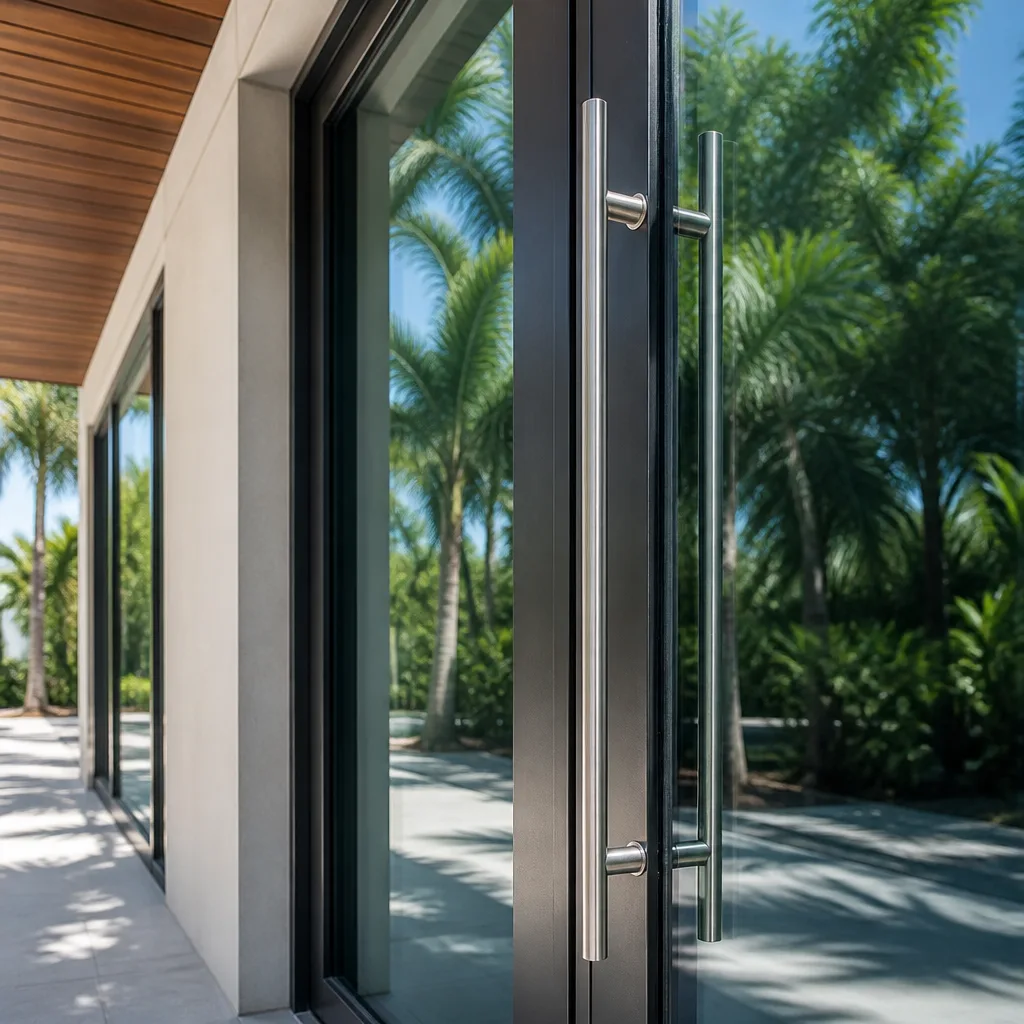
The correct tools for seasonal maintenance are specific and modest in cost. Using substitutes risks damage that exceeds any savings.
| Task | Required Tool/Material | Common Substitute to Avoid | Why It Matters |
|---|---|---|---|
| Weep hole cover removal | Plastic pry tool (nylon or delrin) | Metal screwdriver | Scratches anodized finish, initiating corrosion |
| Debris clearing | 1/2-inch nylon parts brush | Toothbrush, wire brush | Forces debris deeper; wire damages frame |
| Hardware torque check | Torque-limiting screwdriver, 15-20 in-lb range | Standard screwdriver by feel | Over-torque strips threads; under-torque loosens |
| Frame rinsing | Fresh water, soft natural sponge, microfiber dry | Pressure washer, paper towels | Pressure drives water past seals; paper scratches |
| Persistent salt removal | 1% mild dish detergent solution | Ammonia cleaner, citrus degreaser, abrasive powder | Degrades anodized finish, dissolves lubricants |
| Hardware lubrication | Dry PTFE aerosol or liquid | WD-40, silicone spray, motor oil | Petroleum products attract dust, harden in salt air |
| Seal testing | Standard 20-lb bond paper | Dollar bill, tissue | Inconsistent thickness; paper is standardized |
Total investment in proper tools: approximately $75-120. This is recovered in the first avoided service call.
For product-specific maintenance requirements, consult the documentation provided with your installation. CWS, ES Windows, ECO Window Systems, and Mr-Glass each publish technical bulletins with approved methods. Using unapproved products or techniques voids finish warranties and may compromise impact ratings.
Common Mistakes to Avoid
- Pressure-washing frames and tracks: The 1,200+ PSI stream that cleans your driveway drives water past weatherstripping, through weep baffles, and into wall cavities. Rinse with a hose at moderate pressure only, directed downward, never upward at the frame perimeter.
- Applying automotive wax or “protectant” sprays to aluminum frames: These products contain petroleum distillates and UV inhibitors formulated for paint, not anodized aluminum. They create a sticky film that traps salt and dust, and some manufacturers specifically exclude finish warranty coverage where such products have been applied.
- Ignoring weep holes until water appears indoors: By the time interior staining is visible, the frame cavity has been wet for months. The path to interior drywall is established, and the repair scope includes framing, insulation, and finishes - not just window service.
- Using generic weatherstripping from hardware stores: The compression force, temperature range, and UV resistance of original equipment weatherstripping is engineered to the specific sash weight and operating force of your window or door. Universal replacements often increase closing effort to the point of hardware damage or incomplete latching.
- Documenting maintenance verbally or from memory: Warranty claims require contemporaneous documentation. A checklist completed and photographed at the time of service is evidence. A recollection of “I think I did that in 2023” is not.
- Delaying post-storm inspection beyond 48 hours: Secondary water damage from subsequent rain obscures the primary failure path. Insurance adjusters and warranty inspectors cannot distinguish original storm damage from subsequent neglect when the evidence is contaminated.
- Assuming impact-rated products are maintenance-free: Impact ratings certify performance under specific test conditions, not immunity to degradation. The laminated glass, reinforced frames, and heavy-duty hardware of impact products actually require more rigorous maintenance due to their exposure severity and the consequences of failure.
When to Call a Professional
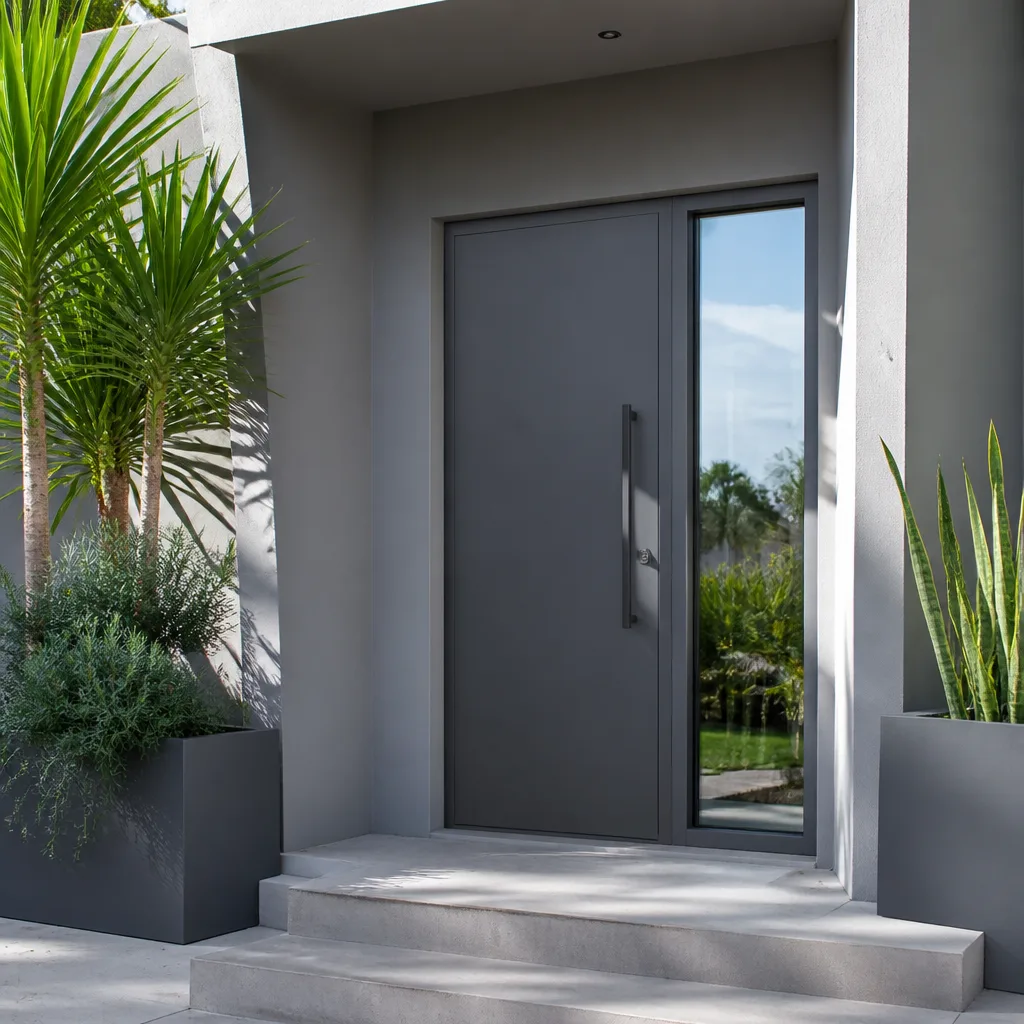
Some conditions require evaluation by a qualified window and door contractor. Do not attempt to self-diagnose or repair: frame deformation exceeding 1/8 inch over 36 inches; delamination of laminated glass; sealant separation at the frame-to-wall interface; hardware failure that prevents secure latching; or water intrusion with no identifiable exterior breach path. These indicate structural, installation, or product defects that are not owner-serviceable.
Sightline Windows & Doors Cutler Bay offers free estimates in Cutler Bay - call (786) 886-1945. Every evaluation includes a measured survey you keep, a written scope and price before any work is authorized, and a documented photo record of conditions found. Our technicians are background-checked, uniformed, and identified by license number before arrival, under Haven Clause 3 (Verified Crews). We also provide free second opinions on any written estimate from another contractor - bring us their scope and we will review it at no charge.
Frequently Asked Questions
Professional seasonal maintenance for a typical Cutler Bay home with 12-15 openings ranges from $350-650 for inspection, cleaning, hardware service, and documentation. Component replacement - weatherstripping, weep covers, hardware - is additional, typically $150-400 depending on scope. Call (786) 886-1945 for an exact quote; estimates are free and include a measured survey you keep.
No. At Sightline Windows & Doors Cutler Bay, the written quote from our measured survey is the final price. Haven Clause 1 (Have it in writing) means the scope and price are fixed before any work begins. If we discover conditions that alter scope, we document them, stop work, and present a revised written quote for your authorization. There are no change orders on maintenance work without prior written agreement.
Perform the full April pre-season protocol annually, the 48-hour post-storm inspection after any tropical system, and monthly visual checks during hurricane season (June-November). Dry-season maintenance (December-March) should include monthly salt rinsing for properties near Biscayne Bay and quarterly assessment for inland Cutler Bay locations.
Yes. Salt air concentration decreases with distance from the coast, but in Cutler Bay neighborhoods adjacent to the bay - Saga Bay, Lakes by the Bay, and waterfront properties along Old Cutler Road - the chloride deposition rate is measurably higher. Increase rinsing frequency to biweekly during dry season, inspect hardware monthly for corrosion initiation, and budget for 20-30% shorter component replacement intervals compared to inland Miami-Dade locations.
Common voiding conditions include: use of unapproved cleaning products or methods; failure to perform required maintenance with documented evidence; modification of hardware or frame components; installation by unqualified personnel for warranty-covered repairs; and failure to report damage within specified timeframes after weather events. Each manufacturer - PGT, CGI, CWS, ES Windows, ECO Window Systems, Mr-Glass, Therma-Tru, ViewLux - publishes specific requirements. Maintain your documentation to preserve coverage.
Owner replacement is possible if you obtain the correct manufacturer-specific profile and follow installation instructions. The risk is incorrect compression set, which increases operating force and damages hardware. If you cannot identify the original part number from your product label, or if the replacement does not match the original profile exactly, professional installation is advisable. Improper weatherstripping can also compromise impact ratings by preventing full latch engagement.
Proper installation evidence includes: frame fastener pattern matching manufacturer specification (typically every 12 inches with specific edge distance); continuous frame-to-wall sealant with no gaps; sill pan or flashing integration with weather-resistive barrier; and operation that requires moderate, even force without binding. If you have no installation documentation, or if operation has degraded since installation, a professional evaluation is warranted. Sightline provides free second opinions on any written estimate - we will assess conditions and provide documented findings.
The Bottom Line

Cutler Bay’s climate does not permit passive window and door ownership. The three-season cycle - wet, hurricane, dry - degrades specific components in predictable ways that are preventable with documented, tool-specific maintenance. The April pre-season protocol, 48-hour post-storm inspection, and dry-season salt management are not excessive; they are the minimum reasonable care that manufacturer warranties require and that product longevity demands. The cost of proper tools and annual component replacement is modest compared to emergency replacement and interior damage repair. Most critically, the documentation you create at each maintenance interval is the evidence that converts a potential warranty denial into an honored claim when weather tests your openings.
Call (786) 886-1945 to schedule your free estimate. Every evaluation includes a measured survey you keep, a written price before any work starts, and a documented photo record of conditions found. Or visit our pages on Window Installation in Cutler Bay, Door Installation in Cutler Bay, or Window Replacement in Cutler Bay for additional information on our services and product lines.
Written by Sonia Raman, Owner at Sightline Windows & Doors Cutler Bay, serving Cutler Bay since 2012.
Six Reasons Homeowners Choose Sightline Windows & Doors Cutler Bay
Impact systems engineered to design pressures up to +/-100, matched to your wind zone - your openings hold when the storm arrives.
Low-E insulated impact glass from our manufacturer lines commonly cuts monthly cooling bills 20-30%.
Laminated impact glass shuts out up to 40% of outside noise - traffic, neighbors, weather.
Monitoring services run $30-90 a month. Laminated impact glass resists forced entry around the clock, with no subscription.
Florida homeowners average around 25% savings on the windstorm portion of their policy after protecting every opening - some homes qualify for more.
A full impact package upgrades curb appeal, buyer confidence and appraised value in one project.
Other Sightline Windows & Doors Cutler Bay Services