Last updated September 24, 2026
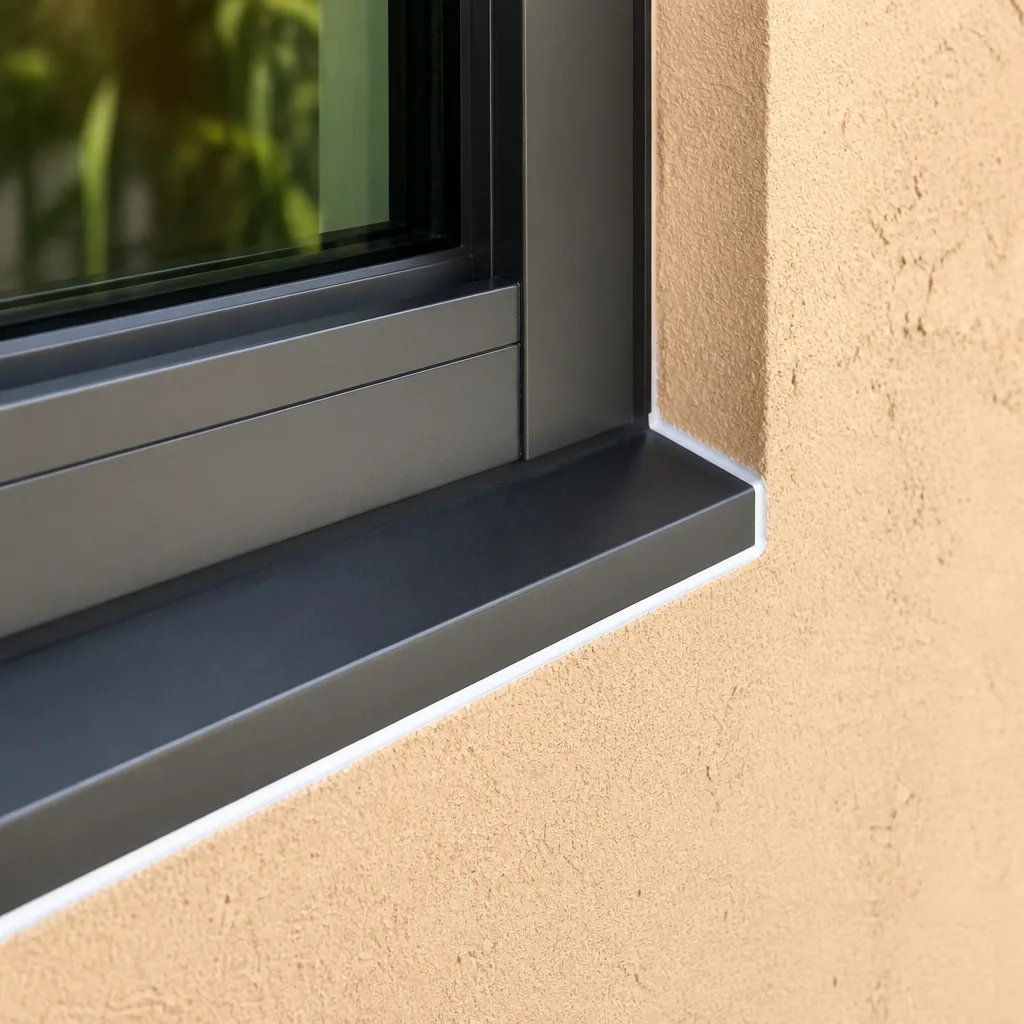
New windows and doors improve comfort, cut energy bills and add long-term value to your home. Sightline Windows & Doors Cutler Bay pairs proven product lines with our own installing crews for lasting performance - and a price we put in writing.
1. Choose your installer
The unit is half the job - the install is the other half. Our own background-checked crews measure, set, seal and insulate every opening, and they know the lines we quote inside and out because they install them every week.
2. Select the right products
Compare styles, materials and glass packages side by side until the fit is right for your rooms, your budget and your goals. The product-line comparison below is the place to start.
3. Prepare your home for install
Before install day we walk you through a short checklist - furniture pulled back, treatments down, a clear path to each opening - so install day is watch-it-happen, not scramble.
Compare the Lines We Quote
Every project is priced on the same lines, side by side - the price indicators below are relative, and your consultant shows exact numbers on your actual openings.
PGTThe line Florida homeowners arrive naming - the most Miami-Dade certifications in the industry$$$
- More Miami-Dade NOA certifications than any other line we quote
- WinGuard, EnergyVue and ClassicVue Max systems built for every wind zone
- 99% on-time delivery keeps your install date on the calendar
CGIThe heavyweight impact line$$$$$
- Large-missile impact ratings for the strictest wind zones
- Architectural-grade aluminum with commercial-depth frames
- The line we quote when protection is the whole point
CWSThe Florida value pick$$
- Vinyl systems built in Florida for Florida codes
- Strong energy packages at the friendliest price point
- The smart start for whole-home replacements on a budget
ESWSlim lines, big glass$$$$
- Narrow-sightline aluminum for modern elevations
- Oversized openings and floor-to-ceiling glass
- Impact-rated without the bunker look
ECOThe aluminum impact workhorse$$$
- Miami-built aluminum impact systems
- A strong price-to-protection ratio for coastal homes
- Proven inventory lines with short lead times
How to Hire a Windows & Doors Contractor in Cutler Bay: A Step-by-Step Guide
A Miami-Dade building permit for impact window replacement lists the contractor’s license number on the public record. Any homeowner can verify in under four minutes whether the person standing in their living room is legally allowed to pull that permit. Yet most Cutler Bay homeowners never do this check, and some end up with unpermitted openings, manufacturer-voided warranties, or liens filed against their property by unpaid subcontractors. This guide turns the verification process into a repeatable interview script with documented checkpoints you can complete before signing anything.
Quick Answer

Hiring a windows and doors contractor in Cutler Bay requires verifying three distinct license layers (state certification, Miami-Dade county registration, and manufacturer-specific product training), confirming active general liability and workers’ compensation insurance, and insisting that the written price and scope of work form a single integrated document. The interview process should take 45-60 minutes and can prevent project failures that cost homeowners $8,000-$30,000 to remedy-see our Windows & Doors Cost Breakdown: The Cutler Bay Homeowner’s Reference for 2026 for where those numbers come from.
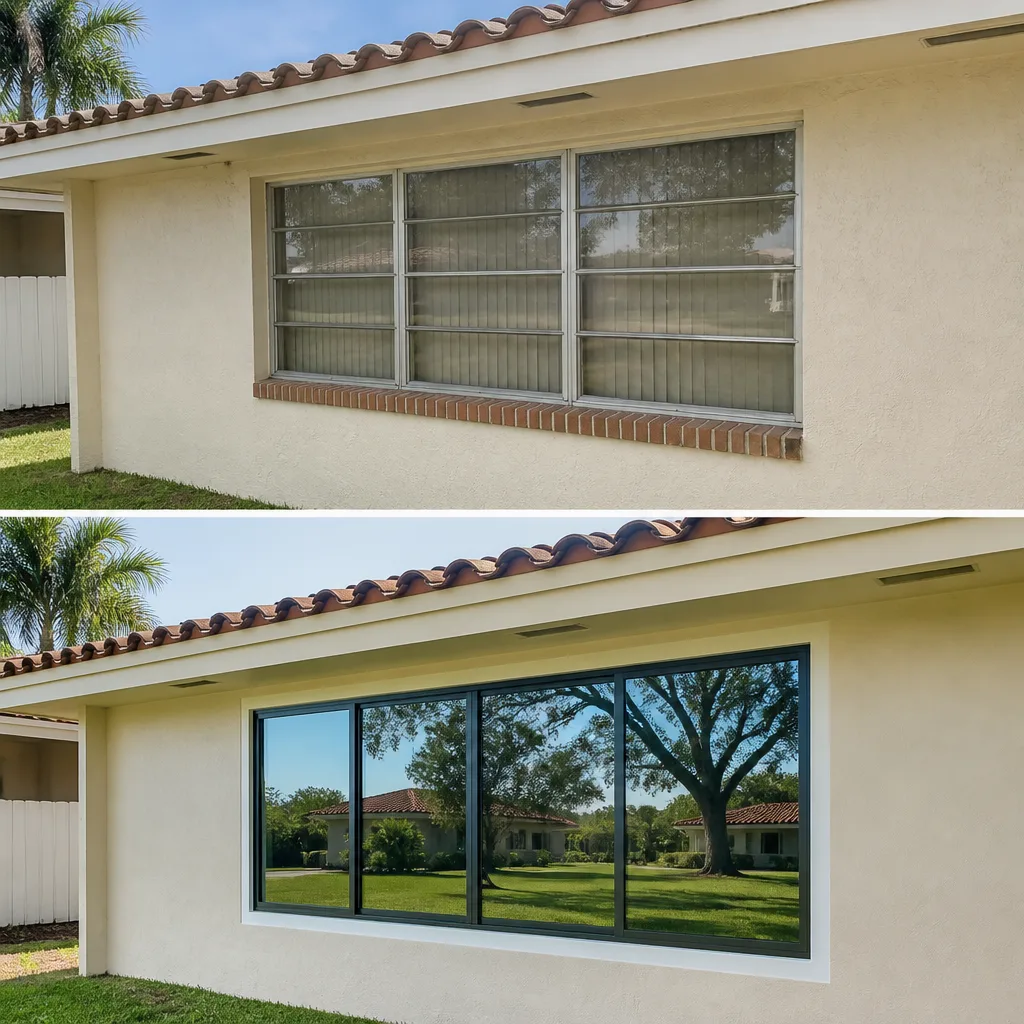
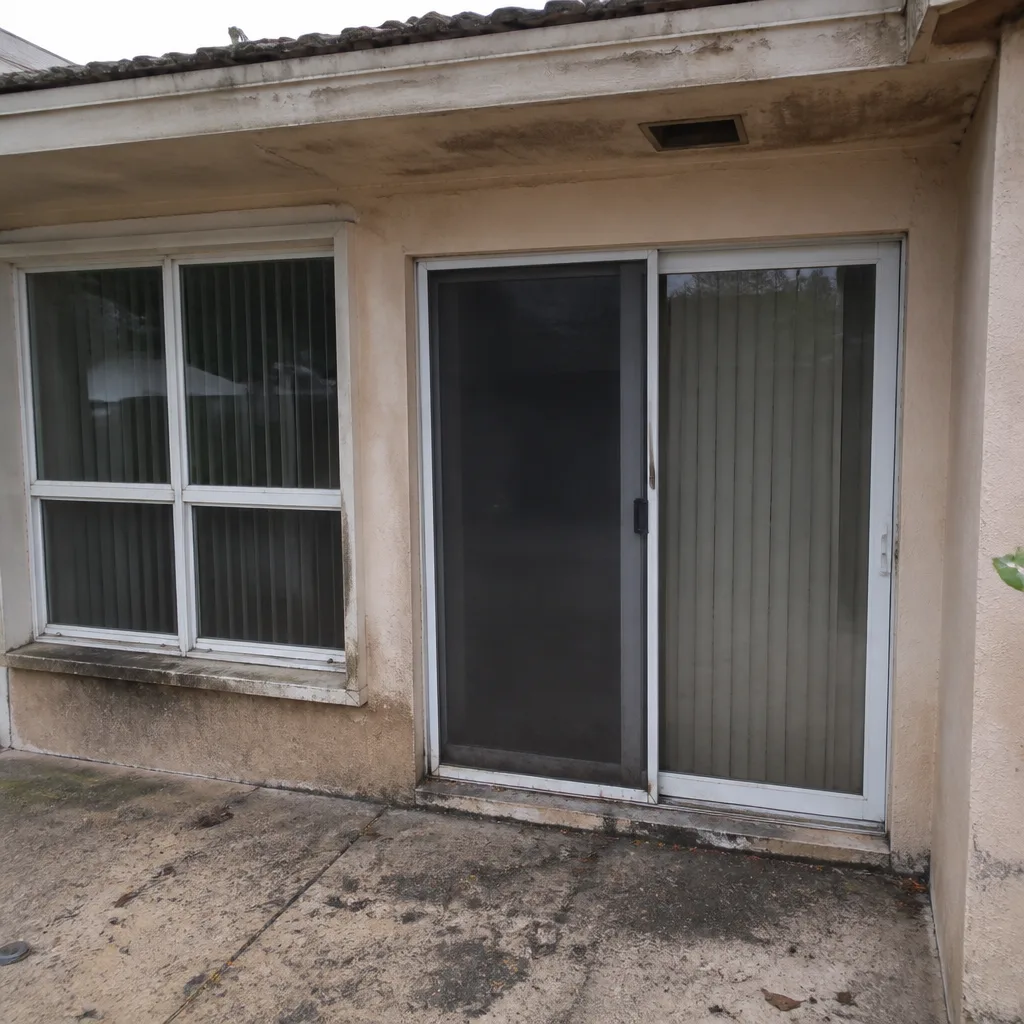 Before
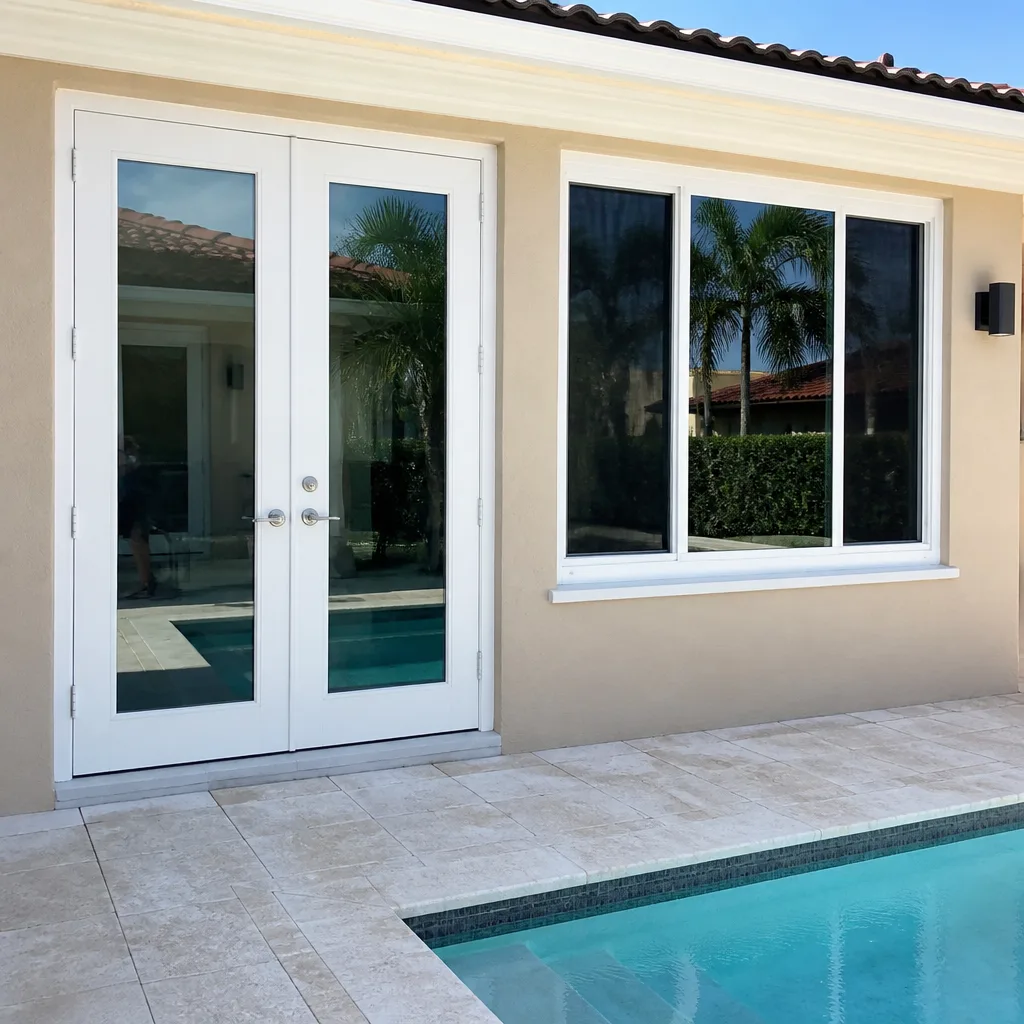 After
AfterTable of Contents
- The Three License Layers Every Cutler Bay Contractor Must Hold
- How to Verify a Contractor Online in Under Four Minutes
- How to Read a Certificate of Insurance
- Why the Written Price and Scope Must Be One Document
- Seven Interview Questions That Expose Subcontracting Risk
- The Photo-Documented Job Record and Resale Value
- Cutler Bay-Specific Building Code and Climate Considerations
- Understanding Manufacturer Lines and Product Specifications
The Three License Layers Every Cutler Bay Contractor Must Hold
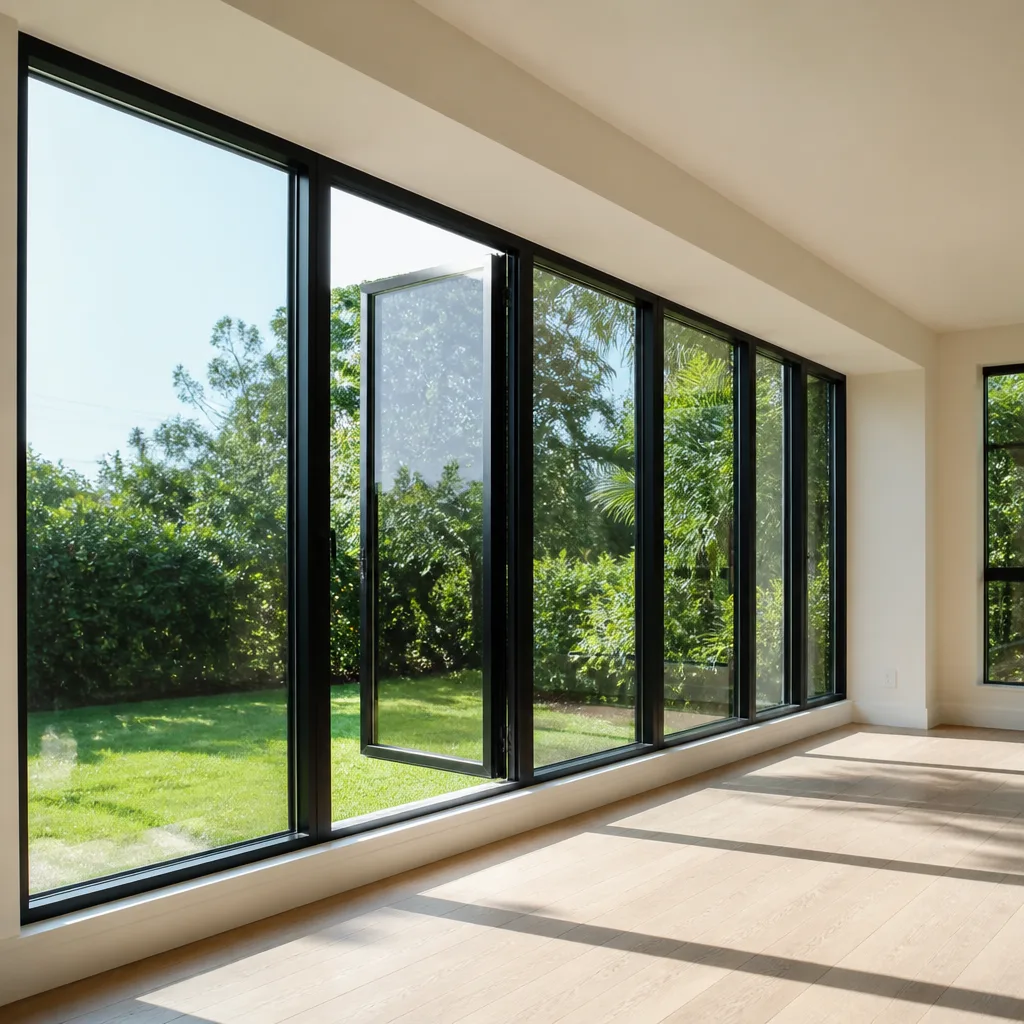
Cutler Bay sits in unincorporated Miami-Dade County, which means window and door installations fall under a triple licensing system that confuses many homeowners. A contractor who holds only one or two of these licenses cannot legally complete your project from start to finish. Here’s what each layer covers and why missing any one creates exposure.
Layer 1: Florida State Certified Contractor License
The Florida Department of Business and Professional Regulation (DBPR) issues certified contractor licenses. For window and door work, look for a Certified Building Contractor (CBC) or Certified General Contractor (CGC) classification. This license allows the holder to contract anywhere in Florida. The license number format is a five-digit code (e.g., CBC060123) that you can verify at myfloridalicense.com.
A Registered Contractor license is different and insufficient for Cutler Bay work. Registered contractors can only work in specific local jurisdictions where they hold additional registration. If a contractor shows you a registered license without Miami-Dade county registration, they cannot legally pull your permit.
Layer 2: Miami-Dade County Contractor Registration
Miami-Dade County maintains its own contractor registration system through the Contractor Licensing Section. Even state-certified contractors must register with the county to pull permits in Cutler Bay. This registration verifies that the contractor has met local bonding requirements, passed a Miami-Dade-specific examination on the Florida Building Code with Miami-Dade amendments, and maintains a local business tax receipt.
Verify this registration at miamidade.gov using the contractor’s name or license number. The county database shows active status, any complaints filed, and disciplinary actions. A contractor active with DBPR but lapsed with Miami-Dade County cannot pull your permit until the registration is renewed.
Layer 3: Manufacturer Product-Line Training and Authorization
Impact-rated windows and doors in Cutler Bay must meet Miami-Dade County Notice of Acceptance (NOA) standards. Manufacturers including PGT, CGI, and ECO Window Systems maintain authorized dealer networks with product-specific installation training. A contractor installing these products without authorization risks voiding your warranty and failing inspection.
Manufacturer authorization is not a government license, but it functions as a professional credential. Ask for the specific authorization certificate for the product line being quoted. Then call the manufacturer’s dealer services line to confirm. We’ve seen Cutler Bay homeowners discover at final inspection that their “impact-rated” installation used non-authorized products with falsified NOA documentation. The permit was denied, and the opening had to be re-done at full cost.
Key checkpoint: Before signing, request written confirmation of all three layers. A legitimate contractor produces these documents without hesitation.
How to Verify a Contractor Online in Under Four Minutes
The verification process is straightforward if you know the sequence. Here’s the exact procedure:
- Obtain the license number. Ask the contractor for their Florida state certified license number. Write it down exactly. Do not accept “I’ll get that to you later.”
- Check DBPR status. Visit myfloridalicense.com, select “Verify a License,” enter the number. Confirm the license is Active, the classification is CBC or CGC, and there are no pending disciplinary cases.
- Check Miami-Dade registration. Visit miamidade.gov, search the Contractor Licensing database. Confirm the name matches exactly, the status is Active, and the registration covers the current year.
- Verify insurance. Request a current Certificate of Insurance (COI) showing general liability and workers’ compensation. The COI should name you or your property address as certificate holder. We’ll cover how to read this document in the next section.
Total time: 3-4 minutes per contractor. We recommend completing this verification before scheduling an in-home consultation. At Sightline Windows & Doors Cutler Bay home, we provide all three license confirmations and the COI at the first meeting without being asked. Contractors who hesitate or deflect at this stage are signaling that their documentation has gaps.
How to Read a Certificate of Insurance
The Certificate of Insurance is a single-page standardized form (ACORD 25) that tells you whether the contractor’s coverage is adequate for your project. Most Cutler Bay homeowners never receive this document, and fewer still know how to interpret it. Here’s what to check.
General Liability Coverage
Look for Commercial General Liability on the form. For residential window and door installation in Cutler Bay, the per-occurrence limit should be at least $500,000, with an aggregate limit of $1,000,000 or higher. This covers property damage and bodily injury caused by the contractor’s work. Lower limits suggest a contractor operating at the edge of financial stability.
Check the policy effective and expiration dates. The coverage must remain active through your project completion date plus any warranty period. We’ve encountered contractors in the Cutler Bay market whose policies lapsed mid-project, leaving homeowners exposed during the final inspection phase.
Workers’ Compensation Coverage
Florida requires workers’ compensation for construction contractors with one or more employees. The COI should show Workers Compensation with statutory limits. If this box is blank or marked “N/A,” ask why. Some contractors misclassify employees as independent subcontractors to avoid premiums. If a worker is injured on your property and the contractor lacks coverage, your homeowner’s policy may be drawn into litigation.
Additional Insured Status
The COI should name you as Certificate Holder in the lower-left box. For larger projects, request to be named as Additional Insured on the general liability policy. This gives you direct rights under the policy if a claim arises. The contractor’s insurance agent can add this endorsement, typically at no cost.
Subcontractor Coverage
If the certificate shows a Waiver of Subrogation endorsement, that’s positive. It prevents the insurance company from pursuing you for recovery if they pay a claim. More importantly, ask whether subcontractors are covered under the primary policy or carry their own. If subcontractors carry separate policies, request their COIs as well. Uninsured subcontractor labor is a common source of lien claims in Miami-Dade County.
Red flag: A contractor who produces a COI dated more than 30 days before your meeting, or who cannot explain the coverage limits in plain language, is not managing their risk professionally.
Why the Written Price and Scope Must Be One Document
In Cutler Bay’s competitive window and door market, many contractors separate the quote from the contract. You receive an estimate with line-item pricing, then a separate contract with scope language that doesn’t reference those prices. This creates legal ambiguity that favors the contractor when disputes arise.
At Sightline, we operate under Haven Clause 1: Have it in writing. The measured survey, the product specification, the price, and the scope of work form a single integrated document the customer keeps. Here’s why this matters legally and practically.
The Problem with Separate Documents
When price and scope live in separate files, four problems emerge:
- Scope creep without price accountability: The contractor adds work items not in the original estimate, then bills for them at undefined rates.
- Product substitution: The contract specifies “impact window” without referencing the quoted brand and model. The installer delivers a lower-grade product that technically meets the vague description.
- Dispute resolution difficulty: In small claims court or arbitration, separate documents create conflicting evidence. The judge must decide which document controls, and the outcome is unpredictable.
- Permit mismatch: Miami-Dade County requires the permit application to match the contract scope. Separate documents increase the chance of discrepancy, causing inspection delays.
What an Integrated Document Looks Like
A proper integrated document includes on a single form or clearly cross-referenced pages:
- Property address and owner identification
- Exact product specifications: manufacturer, model, dimensions, U-factor, SHGC, impact rating, and NOA number
- Opening-by-opening scope with quantities
- Line-item pricing with labor and material separated
- Total project price with payment schedule
- Permit responsibility and permit number field
- Warranty terms and duration
- Start and completion dates
- Signatures of both parties with date
The Window Installation in Cutler Bay process we follow begins with a measured survey that becomes this integrated document. The customer receives the original. The permit application references it by date and page. The installation crew works from it. The final invoice matches it exactly. If any element changes, both parties initial a written change order that becomes part of the same file.
This isn’t customer service. It’s risk management. A homeowner in Cutler Bay’s Saga Bay neighborhood recently showed us a competitor’s two-document arrangement where the estimate quoted PGT WinGuard products and the contract specified only “white vinyl impact window.” The $14,000 price was locked, but the product was legally undefined. She brought us the competitor’s written estimate for our Free Second Opinion service, and we identified the gap in fifteen minutes. For more on protecting your investment, read our Window Installation Maintenance Checklist for Cutler Bay Homeowners.
Seven Interview Questions That Expose Subcontracting Risk
Most window and door contractors in the Cutler Bay area use subcontracted installation labor, even when their marketing suggests otherwise. Subcontracting isn’t inherently problematic, but unverified subcontracting creates insurance gaps, quality inconsistency, and warranty disputes. These seven questions reveal the true labor structure.
- “Will the people installing my windows be your W-2 employees or 1099 subcontractors?” Direct question, no ambiguity. If the answer is “subcontractors,” proceed to questions 2-4. If “employees,” request verification of payroll records or ask to see the crew’s pay stubs (some contractors misclassify).
- “Are your subcontractors covered under your general liability and workers’ compensation policies, or do they carry their own?” If under the primary policy, request policy endorsement pages showing subcontractor coverage. If separate policies, request COIs for each subcontractor who will work on your property.
- “What is the name and license number of the subcontractor who will perform my installation?” Vague answers (“we have several crews”) suggest the contractor doesn’t control labor assignment. A specific name and license number lets you verify independently.
- “Has this specific installer completed manufacturer training for the product you’re quoting?” A contractor may be authorized for PGT or Therma-Tru, but the actual installer may never have attended the training. Manufacturer warranties often require installation by trained personnel.
- “Who pulls the permit, and whose license number appears on it?” The permit must list the responsible contractor’s license. If a subcontractor’s license appears, that’s who Miami-Dade County holds accountable. Some primary contractors pull permits in their name but subcontract all work, creating a liability gap if the subcontractor defaults.
- “If a defect appears six months after installation, who do I call, and who is contractually responsible for the repair?” The answer should be the primary contractor, with no requirement for you to coordinate with a subcontractor. If the contract requires you to contact the installer directly, the primary contractor has effectively transferred warranty responsibility they may not be able to enforce.
- “Can I meet the installation crew before work begins?” A contractor who controls their labor can arrange this. One who brokers jobs to rotating crews cannot. At Sightline, Haven Clause 3 (Verified Crews) means the technician at your door is the person on the record, background-checked, uniformed, and identified by license number before arrival.
Subcontracting itself is common in South Florida’s construction economy. The risk lies in undisclosed subcontracting where the homeowner assumes the primary contractor’s accountability but receives a subcontractor’s limited recourse. These questions document what you’re actually buying.
The Photo-Documented Job Record and Resale Value
A completed window or door installation in Cutler Bay leaves no visible evidence of the work quality beneath the trim. Future buyers, home inspectors, and insurance adjusters cannot see whether flashing was properly integrated, whether impact-rated fasteners were used at specified spacing, or whether the sill pan was sloped correctly. A photo-documented job record preserves this evidence and has measurable value at resale.
What the Documentation Should Include
Request that your contract specify delivery of a photo record showing:
- Pre-existing condition of each opening before work begins
- Rough opening after old unit removal, with framing and substrate visible
- Water management details: flashing tape application, sill pan installation, head flashing integration
- Fastener pattern and type, showing compliance with NOA requirements
- Insulation and air sealing at perimeter
- Finished installation from interior and exterior
- Operable hardware and lock function
- Cleanup and debris removal confirmation
Resale and Insurance Value
In Cutler Bay’s market, homes built between 1980 and 2005 often have original windows that fail current impact standards. When these homes sell, buyers and insurers increasingly request documentation of window upgrades. A photo record with product specifications, permit numbers, and inspection sign-offs satisfies this request instantly. Without it, the seller must rely on memory, and buyers may demand re-inspection or price concessions.
We’ve documented every one of our 18,000+ installations since 2012 with this standard. The photo record is not an upsell. It’s included on every job as Haven Clause 4: Evidence on every job. When you sell your Cutler Bay home, this documentation transfers with the property records and supports your disclosure statements.
Cutler Bay-Specific Building Code and Climate Considerations
Cutler Bay’s location on the southeastern edge of Miami-Dade County creates specific conditions that affect window and door selection and installation. A contractor unfamiliar with these local factors will specify products that meet code minimums but underperform in actual conditions.
Wind-Borne Debris Requirements
Miami-Dade County requires impact-rated products or permanent shutter protection for all openings in the High-Velocity Hurricane Zone. Cutler Bay’s specific wind speed designation is 175 mph for Risk Category II buildings (typical single-family homes). The contractor’s product selection must carry a current Miami-Dade NOA for this wind speed, not just Florida Product Approval. These are different certifications, and some products hold one but not the other.
Salt Air Corrosion
Cutler Bay homes within two miles of Biscayne Bay, including neighborhoods like Saga Bay and Cutler Ridge, experience accelerated corrosion of aluminum and steel components. Standard hardware finishes that perform inland may fail prematurely here. We specify Mr-Glass and other product lines with coastal-grade hardware finishes, and we document the specification in the integrated price document so there’s no substitution.
Soil and Foundation Movement
Cutler Bay’s substrate includes limestone and fill soils with variable compaction. Seasonal wet-dry cycles cause minor foundation movement that stresses rigid window and door frames. Proper installation includes flexible sealant selection and shimming practices that accommodate this movement without compromising the air or water seal. A contractor who installs windows “plumb and level” without considering long-term substrate movement creates gaps that appear in year two or three. Our Seasonal Windows & Doors Care for Cutler Bay: Year-Round Homeowner’s Guide covers how to spot these issues early.
Energy Code Compliance
Florida’s Energy Conservation Code, adopted with Miami-Dade amendments, sets maximum U-factor and Solar Heat Gain Coefficient (SHGC) values for replacement windows. The current U-factor maximum is 0.60 for non-impact windows and 0.65 for impact-rated products. However, these are code minimums. In Cutler Bay’s cooling-dominated climate, lower U-factor and SHGC values reduce air conditioning load measurably. We calculate payback periods using actual FPL rate schedules and show the numbers in writing.
Understanding Manufacturer Lines and Product Specifications
Window and door contractors in Cutler Bay typically represent limited product lines and steer customers toward whatever is in stock or carries the highest margin. A proper specification process starts with the opening’s requirements and matches the product to those requirements across multiple manufacturers.
Sightline maintains authorization for eight manufacturer lines: PGT, CGI, CWS, ES Windows, ECO Window Systems, Mr-Glass, Therma-Tru, and ViewLux. Each occupies a distinct performance tier and price position:
- PGT and CGI: Established Florida manufacturers with extensive NOA portfolios. Premium pricing, proven track record in Miami-Dade inspections, broad product range.
- CWS and ES Windows: Mid-tier options with competitive impact ratings. Often specified where budget constraints exist but code compliance cannot be compromised.
- ECO Window Systems: Energy-focused product line with strong U-factor and SHGC performance. Appropriate for Cutler Bay homes where cooling cost reduction is the primary driver.
- Mr-Glass: Specialty and custom configurations, including large-format impact glass and coastal-grade hardware finishes.
- Therma-Tru: Entry door systems with impact-rated fiberglass and steel options. Door-specific expertise distinct from window manufacturers.
- ViewLux: Value-tier line for investment properties and rental units where code compliance is required but premium features are not justified.
The specification process should name the manufacturer, model, and performance values, then explain why that selection fits the specific opening. “You’ll get white vinyl impact windows” is not a specification. “PGT WinGuard Vinyl, single-hung, 36×72, U-factor 0.30, SHGC 0.23, NOA 20-0905.15, with coastal-grade sill and fasteners at 6-inch centers” is a specification. The integrated price document we provide includes this level of detail for every opening.
The Door Installation in Cutler Bay process follows the same specification discipline, with additional attention to threshold detail, sweep type, and lock hardware grade that door-only manufacturers like Therma-Tru document separately from window specifications.
Common Mistakes to Avoid
- Verifying only the state license and skipping Miami-Dade county registration. A contractor can hold an active Florida CBC license and still be unable to pull permits in Cutler Bay. Check both, every time.
- Accepting a “verbal ballpark” instead of a written, integrated price document. Verbal estimates in South Florida’s market often understate actual cost by 20-40%. The written price before any work starts is your only enforceable reference.
- Assuming impact-rated products are all equivalent. NOA numbers vary by wind speed, missile level, and installation detail. A product rated for Orlando may not pass Miami-Dade inspection. Verify the NOA specifically.
- Neglecting to confirm that the installing crew is covered by workers’ compensation. If an uninsured worker falls from a ladder at your Cutler Bay home, your homeowner’s policy becomes the target of recovery litigation.
- Signing a contract that allows “equivalent substitutions” without your written approval. This clause lets the contractor swap specified products for lower-grade alternatives. Cross it out or define “equivalent” by manufacturer and model number.
- Failing to specify photo documentation in the contract. Without this requirement, you have no evidence of proper installation for warranty claims, insurance disputes, or resale disclosure.
- Paying the final installment before final inspection passes. Miami-Dade County requires permit finalization for the work to be legally complete. If you’ve paid in full and the inspection fails, your leverage to compel correction disappears.
When to Call a Professional
Window and door replacement in Cutler Bay is not a project for the general handyman market. State law requires certified contractor licensing for any work exceeding $1,000 or requiring a permit. Impact-rated installations always require permits. The structural integration of the opening, the water management detailing, and the wind-load fastening all carry failure modes that damage the building envelope and create liability exposure.
Call a licensed windows and doors contractor when: you’re replacing any opening in the High-Velocity Hurricane Zone; the existing frame shows water damage or termite compromise; you’re converting a window to a door or enlarging an opening; your insurance company requires impact-rated upgrades; or you’re preparing a Cutler Bay property for sale and need documented code compliance.
Sightline Windows & Doors Cutler Bay offers free estimates in Cutler Bay. Every estimate begins with a measured survey you keep, and the written quote cannot differ from that document. Call (786) 886-1945 to schedule.
Frequently Asked Questions

Window replacement in Cutler Bay typically ranges from $650 to $1,400 per opening for impact-rated vinyl products, including removal, installation, and permit. Premium aluminum or custom geometric units run $1,200 to $2,800 per opening. The final price depends on opening size, product specification, and whether structural modification is required. Call (786) 886-1945 for an exact quote - estimates are free, and we review competitor written estimates at no charge.
Yes. Miami-Dade County requires permits for all window and door replacements in unincorporated areas including Cutler Bay. The permit application must include the contractor’s license number, product NOA documentation, and signed plans. A contractor who suggests skipping the permit is exposing you to code violation fines, failed resale inspections, and voided manufacturer warranties. We pull permits as standard practice and include the permit cost in our integrated price document.
A typical Cutler Bay home with 10-15 openings completes in 2-3 working days, assuming standard replacement without structural modification. Custom sizes, stucco repair, or opening enlargement extends the timeline. Miami-Dade inspection scheduling adds 1-3 business days after installation. We specify start and completion dates in the integrated document and update you if weather or inspection delays occur.
At Sightline, the written price and the scope of work are the same document. The price does not change unless you request a change in scope, and even then, a written change order with your signature is required before any additional work proceeds. This is Haven Clause 1 and Haven Clause 5 (No surprises). If a contractor tells you “we won’t know until we open the wall,” they have not completed a proper measured survey.
Florida Product Approval is a statewide certification that a product meets the Florida Building Code. Miami-Dade Notice of Acceptance (NOA) is a county-specific certification with additional testing for High-Velocity Hurricane Zone conditions. Cutler Bay requires Miami-Dade NOA for impact-rated products. A product with Florida Product Approval but no current NOA cannot pass inspection here. We verify NOA status for every product we specify and document the NOA number in your price scope.
Look for a permanent label or etching on the glass or frame showing the manufacturer, product line, and Miami-Dade NOA number. If no label is visible, the windows are likely not impact-rated. In Cutler Bay neighborhoods like Lakes by the Bay, many homes built before 2002 have non-impact windows with aftermarket shutters that may no longer function. We provide free assessments of existing opening protection and document our findings with the photo record you receive.
We pull all permits as part of our standard engagement. The permit lists our license number, and we coordinate all inspections. You receive copies of the permit application, inspection results, and final sign-off as part of your project documentation. This is included, not an additional service. The Window Replacement in Cutler Bay process we follow handles permitting from application through final, with no action required from you beyond providing access.
The Bottom Line
Hiring a windows and doors contractor in Cutler Bay is a verification exercise, not a personality contest. The three license layers, active insurance with adequate limits, an integrated price-and-scope document, verified crew structure, and photo-documented completion are not premium services. They are minimum standards that protect your property value and legal exposure. Contractors who treat them as optional are contractors to eliminate from consideration.
The interview process we’ve outlined takes 45-60 minutes and can be completed before any contractor enters your home. The documents you request - license verifications, COI, integrated price scope, subcontractor disclosures - are documents any legitimate professional maintains as routine business records. The contractor who resists producing them is telling you something material about their operation.
Since 2012, Sightline has completed 18,000+ installations under the Haven Standard, every one with a written price before work started and a documented photo record when finished. The 365-Day Done Right Promise is stamped on every job, not offered as a courtesy. If you’re evaluating contractors for a Cutler Bay window or door project, bring us any competitor’s written estimate for a free second opinion. We’ll review the specification, identify gaps, and show you what an integrated document looks like.
Call (786) 886-1945 to schedule your free estimate.
Written by Sonia Raman, Owner at Sightline Windows & Doors Cutler Bay, serving Cutler Bay since 2012.
Six Reasons Homeowners Choose Sightline Windows & Doors Cutler Bay
Impact systems engineered to design pressures up to +/-100, matched to your wind zone - your openings hold when the storm arrives.
Low-E insulated impact glass from our manufacturer lines commonly cuts monthly cooling bills 20-30%.
Laminated impact glass shuts out up to 40% of outside noise - traffic, neighbors, weather.
Monitoring services run $30-90 a month. Laminated impact glass resists forced entry around the clock, with no subscription.
Florida homeowners average around 25% savings on the windstorm portion of their policy after protecting every opening - some homes qualify for more.
A full impact package upgrades curb appeal, buyer confidence and appraised value in one project.
Other Sightline Windows & Doors Cutler Bay Services
What Neighbors Say About Sightline Windows & Doors Cutler Bay